How to Choose the Right Trailer for your Equipment

David KM • July 17, 2026

Selecting the Right Trailer for your Equipment - Capacity and Safety Tips

When it comes to transporting outdoor power equipment like tractors, zero-turn mowers, or handheld tools, having the right trailer is essential. The wrong trailer can lead to safety hazards, equipment damage, and unnecessary stress. This guide will help you choose the right trailer for your needs, focusing on application, weight capacity, safety features, and key considerations to ensure smooth and secure transportation.


Why Choosing the Right Trailer Matters


Using a trailer that matches your equipment’s weight and size ensures safe and efficient transport. Whether you're a landscaper hauling multiple mowers or a homeowner moving a compact tractor, the right trailer minimizes the risk of accidents, improves fuel efficiency, and protects your investment.


Understanding Trailer Weight Capacity

Gross Vehicle Weight Rating (GVWR)

GVWR is the maximum weight a trailer can safely carry, including the weight of the trailer itself and the load. It's crucial to know this number as well as the weight of your equipment or load to avoid overloading, which can lead to tire blowouts, brake failure, and structural damage.


Example:

If a trailer has a GVWR of 7,000 lbs. and weighs 2,000 lbs. empty, its maximum load capacity is 5,000 lbs.


Equipment Weight Consideration

Before choosing a trailer, calculate the combined weight of your equipment and any additional gear. Here are some common equipment weights to consider:

  • Compact Tractor: 2,500-3,500 lbs.
  • Zero-Turn Mower: 700-1,200 lbs.
  • Handheld Equipment (e.g., chainsaws, blowers): 50-200 lbs.

Towing Vehicle Compatibility

Make sure your vehicle can handle the trailer’s weight. Check the towing capacity of your truck or SUV to ensure it matches the trailer’s GVWR. 


Trailer Types for Different Needs

Landscape/Utility Trailer Equipment/Car Hauler Enclosed Trailer Dump Trailer
Best For: Smaller equipment like handheld tools, push mowers, and zero-turn mowers Tractors, large mowers, and multiple pieces of equipment Protecting equipment from weather and theft during transport Hauling debris
Pros: Lightweight, easy to tow, versatile. High weight capacity, large loading surface Secure, weatherproof, extra storage options Typically have hydraulic dump function, carry heavy weights
Cons: Limited weight capacity Requires proper securing of loads to prevent shifting Heavier and more expensive than open trailers Require larger vehicles to tow

Safety Tips for Trailer Use

Proper Weight Distribution

Distribute weight evenly across the trailer to prevent swaying and maintain control. The general rule is to place 60% of the load toward the front and over the axle(s)


Securing the Load

Use high-quality straps, chains, and tie-down points to keep equipment secure. Double-check that all fasteners are tight before hitting the road.


Trailer Tires, Lights and Brakes
  • Check the tires and ensure they are properly inflated and free of damage.
  • Inspect all of your lights - brake lights, turn signals, and reflectors should be functional.
  • Test your Brakes -  Do you have integrated brakes or surge brakes? If your trailer has integrated brakes, verify they are working correctly before every trip. Surge brakes work with momentum of the trailer and integrated breaks are tied into the vehicle braking and can be adjusted based on the weight of the load to ensure they neither working too hard or not working enough to slow the trailer at the same rate as the towing vehicle.

Choosing the Right Trailer at K&M Lawn Garden and Arborist Supplies

At K&M Lawn Garden and Arborist Supplies in Culpeper, VA, we offer a variety of Sure-Trac brand trailers designed to meet your specific needs. Whether you need a lightweight utility trailer for small jobs or a heavy-duty flatbed for large equipment, our team can help you find the perfect match.


Why Choose Us?

  • Expert Guidance: Our knowledgeable staff will help you select the right trailer based on your equipment and usage.
  • Quality Products: We carry durable, reliable trailers built to withstand heavy use.
  • Local Support: As a trusted local business, we’re here to provide ongoing support and service.


Choosing the right trailer for your equipment is a crucial step in ensuring safe and efficient transport. By understanding weight capacity, selecting the appropriate type, and following safety guidelines, you’ll protect your equipment and enhance your productivity. Ready to find the perfect trailer?  Visit K&M Lawn Garden and Arborist Supplies in Culpeper, VA, or contact us today for personalized recommendations!
By David KM September 13, 2026
Come join us on 10/20/2026
August 26, 2026
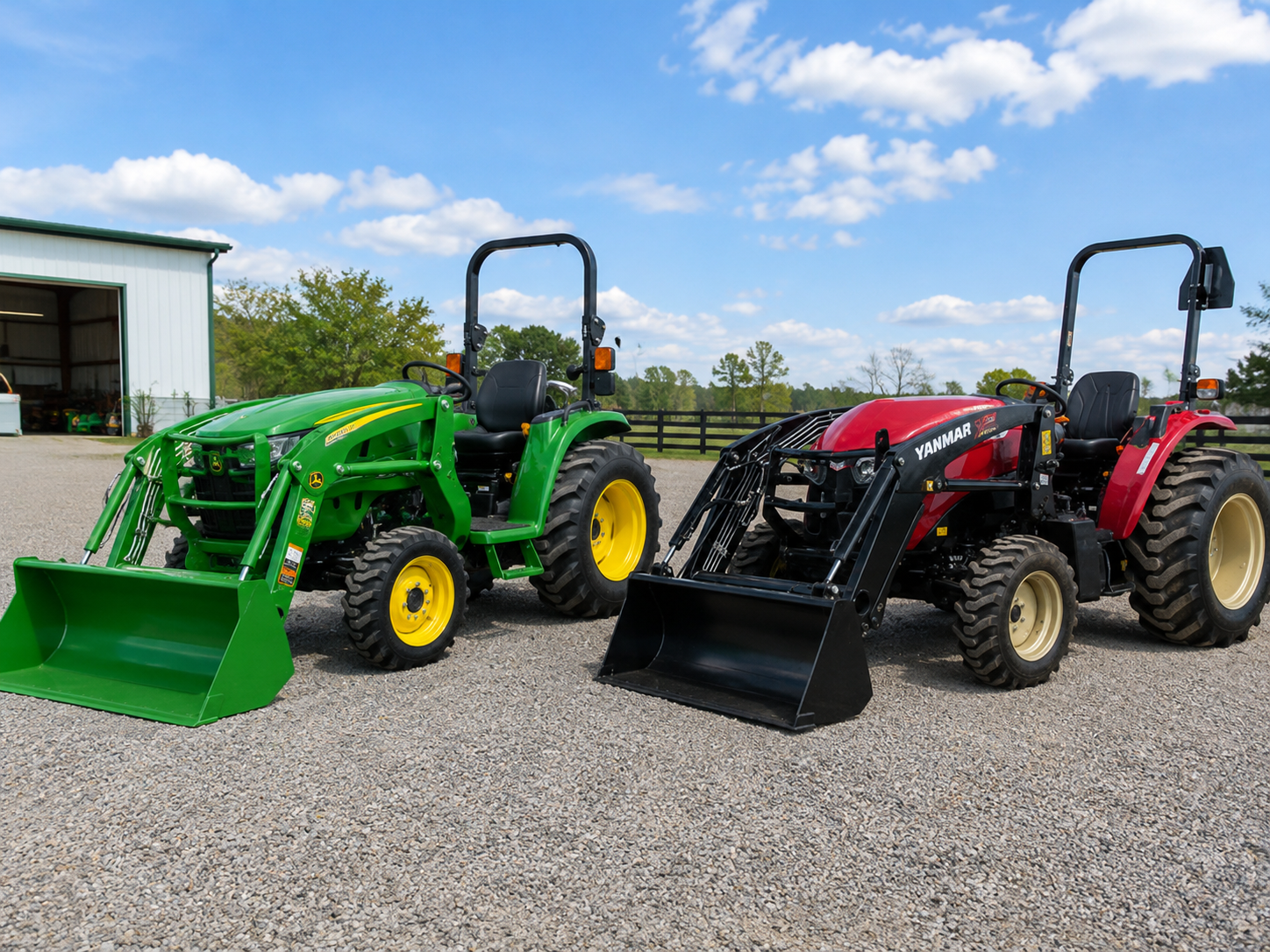
John Deere vs. Yanmar Compact Tractors: Which Is Right for You? If you’re shopping for a compact tractor, there’s a good chance both John Deere and Yanmar are on your list. Both brands have long histories in agricultural and compact equipment, loyal owners, and tractor models designed for everything from property maintenance to small farming. The better question isn’t necessarily, “Which brand is better?” It’s which tractor is the better fit for your property, your jobs, and your budget. Here are some of the key differences to consider when comparing John Deere and Yanmar compact tractors. Both Brands Have Deep Agricultural Roots John Deere is one of the most recognizable names in agriculture and has been building agricultural equipment for generations. Its compact tractor lineup is widely used by homeowners, farmers, landscapers, municipalities, and commercial operators. Yanmar also has a long history in agricultural equipment and diesel engine manufacturing. The company has been building diesel engines and tractors for decades and is especially well known for compact diesel power. One interesting connection between the two brands is that Yanmar has historically manufactured engines and equipment for other major tractor companies, including John Deere on certain compact tractor models over the years. That history helps explain Yanmar's strong reputation for compact diesel engines. Engine and Power Both manufacturers offer diesel-powered compact tractors designed for long service life and fuel-efficient operation. Yanmar is particularly known for designing and manufacturing its own compact diesel engines. In many Yanmar tractors, the engine, transmission, drivetrain, and tractor are engineered as an integrated system. John Deere also offers proven diesel engines across its compact tractor lineup and has a strong reputation for dependable power. When comparing tractors, don’t look at horsepower alone. Consider: PTO horsepower Loader lift capacity Hydraulic flow Tractor weight Transmission type Three-point hitch capacity Tire options Implement requirements A tractor with slightly less engine horsepower may actually be the better machine for your work depending on its weight, hydraulics, transmission, and attachment capabilities. Loader Capability For many compact tractor owners, the front-end loader becomes the most-used attachment on the tractor. Loaders are commonly used for: Moving mulch Handling firewood Cleaning barns Moving gravel Loading trailers Moving manure Landscaping Snow removal Carrying logs and brush Both John Deere and Yanmar offer loader-equipped compact tractors. When comparing them, look closely at lift height, lift capacity, breakout force, attachment compatibility, and how easy it is to remove and reinstall the loader. The right answer depends on what you actually expect the loader to do. Transmission Choices Hydrostatic transmissions are extremely popular in compact tractors because they make frequent forward-and-reverse work easier. That can be particularly useful for: Loader work Landscaping Mowing around obstacles Snow removal Barn work Both John Deere and Yanmar offer hydrostatic transmission options in their compact tractor ranges. Depending on tractor size and model, buyers may also have different transmission configurations available. Someone doing heavy ground-engaging work may value different transmission characteristics than someone primarily mowing, landscaping, and performing loader work. Operator Comfort Comfort matters more than many first-time tractor buyers expect. If you spend several hours on a tractor, things like seat position, control placement, visibility, steering effort, and ease of getting on and off the tractor become important. Both John Deere and Yanmar have focused heavily on operator-friendly compact tractors. The best way to compare them is simple: Sit on both tractors and drive them. Check how easily you can reach the loader joystick, three-point controls, PTO controls, pedals, and other frequently used functions. A specification sheet cannot tell you which tractor feels more natural to you. Attachments and Implements Compact tractors are valuable largely because of what you can attach to them. Common implements include: Rotary cutters Finish mowers Box blades Land planes Tillers Landscape rakes Post-hole diggers Pallet forks Grapples Backhoes Snow blades Spreaders Both Yanmar and John Deere tractors can operate a broad range of three-point and PTO-powered implements. You don't necessarily have to buy every attachment from the tractor manufacturer. Many implements use standardized three-point hitch and PTO systems. That gives tractor owners a large selection of aftermarket implements. Warranty and Ownership Costs Purchase price is only one part of owning a tractor. Before buying, compare: Tractor price Loader price Financing offers Warranty coverage Required maintenance Parts availability Dealer support Resale value Cost of attachments Yanmar frequently attracts buyers looking for strong tractor capability for their investment. John Deere benefits from tremendous brand recognition and a large dealer network. Depending on the models being compared, the price difference can sometimes allow a buyer to purchase an additional attachment or move into a larger tractor. That is why comparing equally equipped tractors is important. Dealer Support Matters as Much as the Tractor One of the most overlooked parts of buying a compact tractor is the dealership. A good dealer can help you size your tractor correctly, select attachments, get parts, perform routine maintenance, and handle repairs when needed. That relationship may last for decades. When evaluating any tractor brand, ask: Does the dealer service what they sell? Do they stock common parts? Can they help match implements to the tractor? Do they understand the type of work I do? Will they support the machine after the sale? A great tractor supported by a poor dealership can become frustrating very quickly. John Deere vs. Yanmar: Which Should You Buy? There is no universal winner. John Deere may be a great choice for buyers who value the familiarity of the Deere brand, its extensive product lineup, broad dealer presence, and strong resale recognition. Yanmar may be a great choice for buyers who value Yanmar’s diesel-engine heritage, integrated tractor design, straightforward compact tractor lineup, and competitive equipment packages. The best tractor is ultimately the machine that has enough capability for your work without forcing you to pay for significantly more tractor than you need. Compare the Tractors Based on Your Property Instead of choosing based on the logo on the hood, start with the work. Ask yourself: How many acres do I have? What am I mowing? Will I be using a front-end loader regularly? Do I need to move round bales or pallets? Will I maintain a gravel driveway? Do I need a backhoe? Will I be working in woods or tight spaces? What implements do I expect to use? Once you answer those questions, comparing tractor models becomes much easier. Looking at a Yanmar Compact Tractor? If you're comparing compact tractors for your property, K&M Lawn, Garden & Arborist Supplies can help you determine what size tractor and attachments make sense for the work you actually need to accomplish. Rather than simply looking at horsepower, we can help you compare loader capacity, tractor weight, PTO power, implements, transmission choices, and overall equipment packages. Sometimes a smaller tractor is plenty. Sometimes moving up one tractor size makes a significant difference. The goal is to help you choose the right tractor for the job — whether you're maintaining a few acres, running a horse property, managing a small farm, or simply looking for a versatile machine that can work around your land for years to come.
GEHL
By David KM August 25, 2026
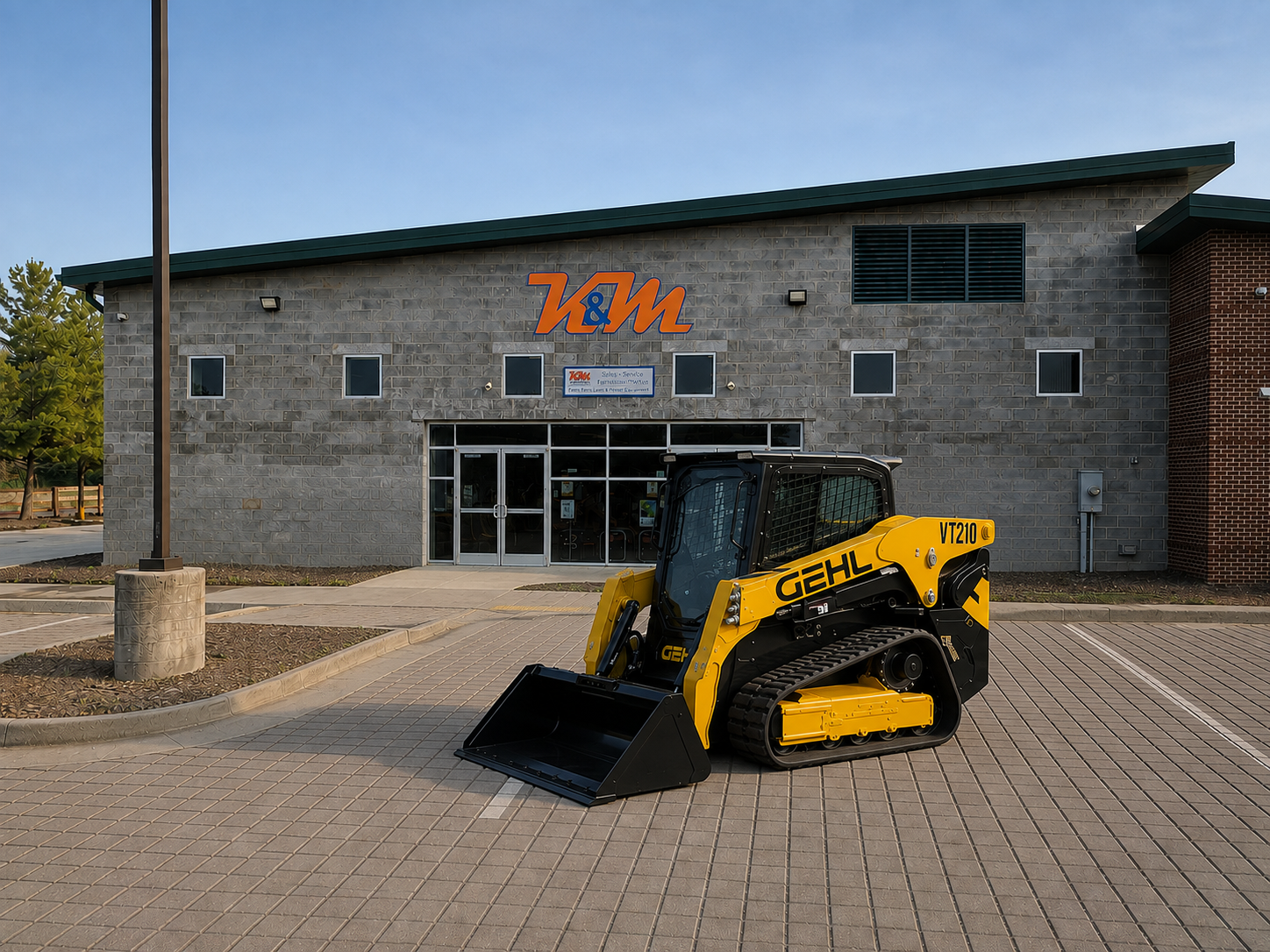
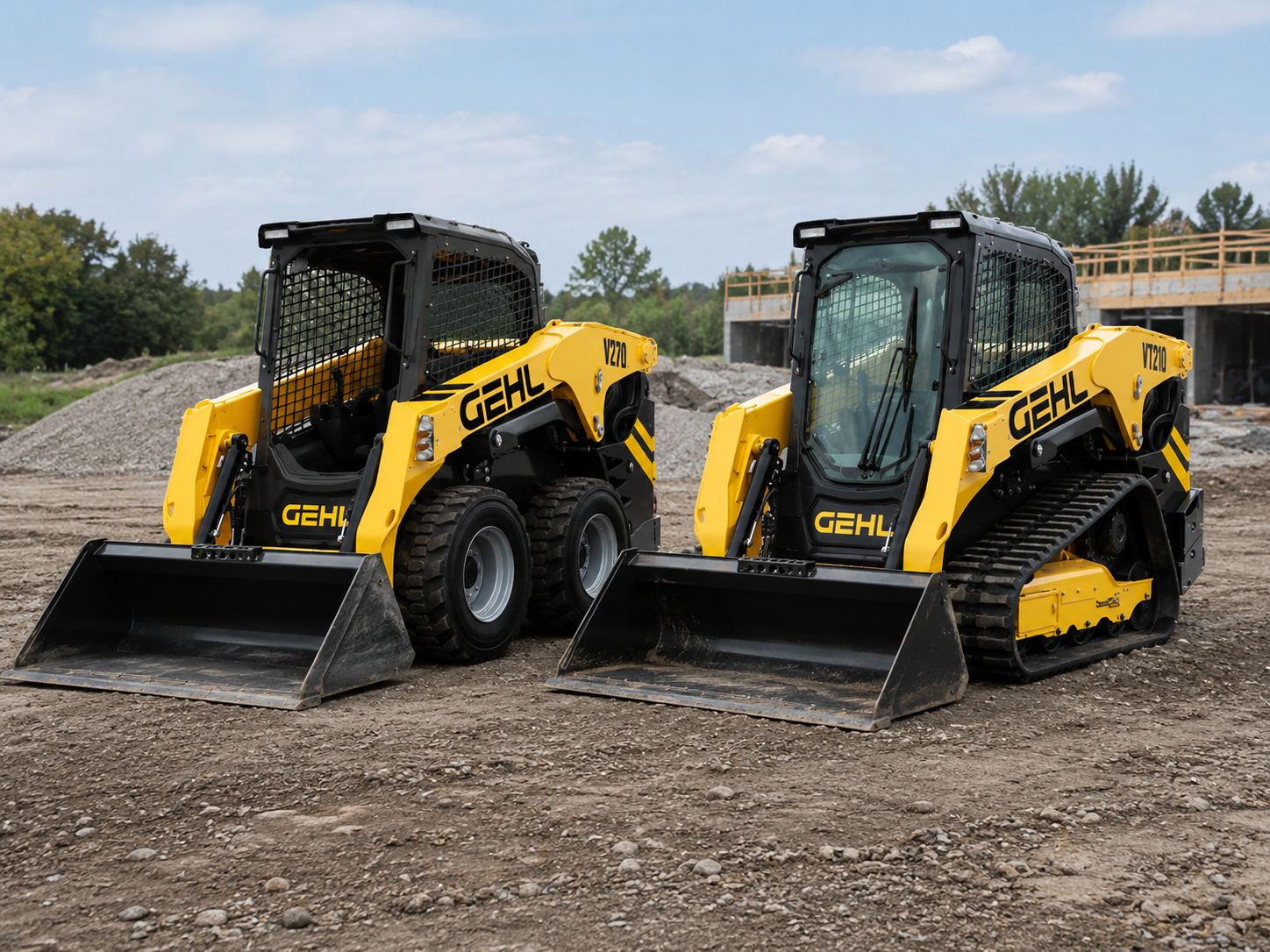
Shop GEHL compact track loaders and skid steers at K&M in Culpeper, VA. Compare tracks vs. tires, radial vs. vertical lift, attachments, and loader options for construction, landscaping, tree care, and property maintenance.
Scag-Zero-Turn
August 17, 2026
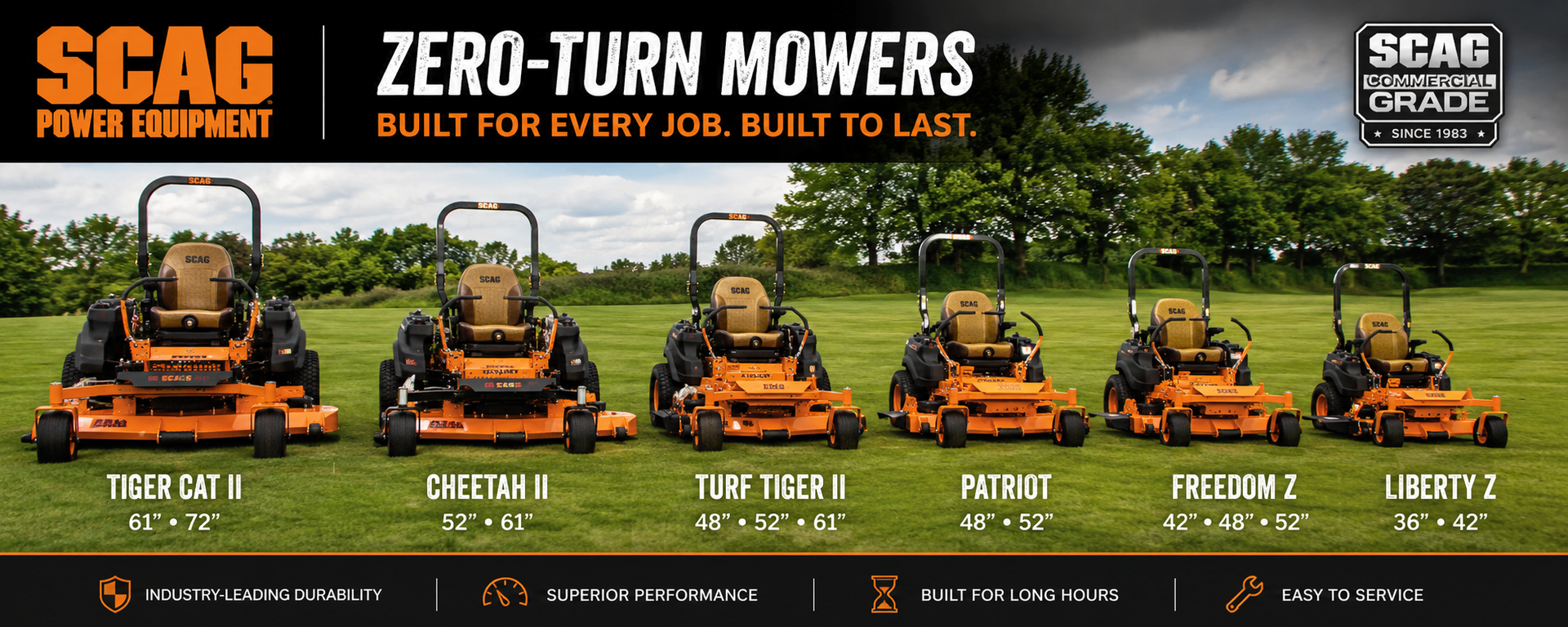
Discover Scag zero-turn and stand-on mowers, turf care equipment, blowers, truck loaders, and compact equipment at K&M in Culpeper, Virginia.
Yanmar tractor
By David KM August 12, 2026
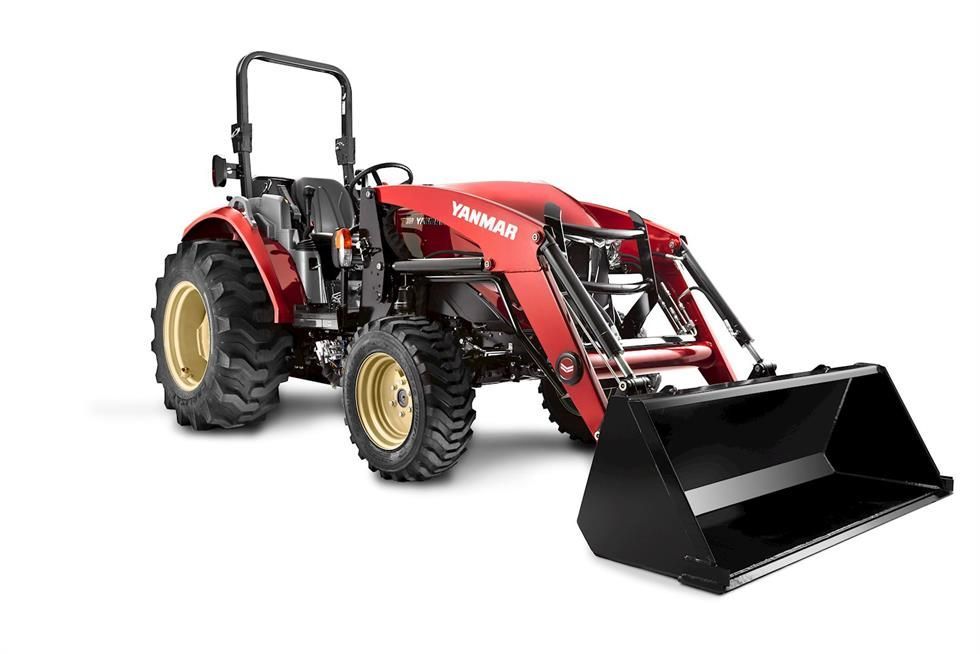
Discover the top tips to find affordable compact tractors for sale near me. Learn how to balance power, reliability, and cost for the perfect fit.
August 12, 2026
We are incredibly proud to be a new GEHL dealer in Virginia
Yanmar vs Kubota
August 4, 2026
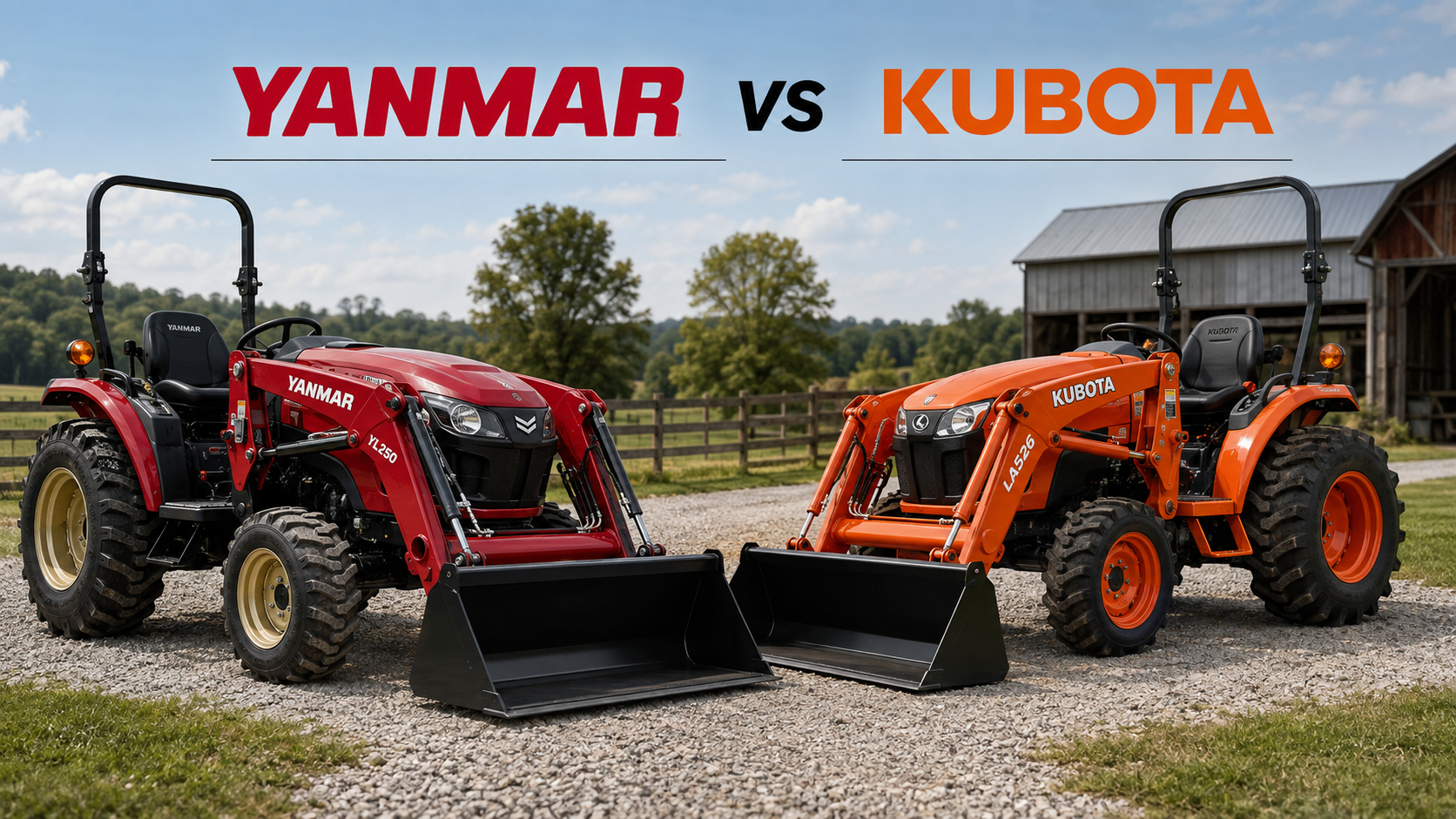
Compare Yanmar and Kubota compact tractors by warranty, engine design, transmission, loader performance, comfort, attachments, and overall value.
Yanmar
By David KM August 4, 2026
Discover why Yanmar designs and builds its own diesel engines. Learn how in-house engineering delivers reliability, fuel efficiency, and long-term performance.
Yanmar YT359
By David KM July 18, 2026
Compare hydrostatic and Yanmar i-HMT tractor transmissions. Learn the differences in efficiency, PTO performance, and ease of use to choose the right tractor.
Yanmar tractor
By David KM July 18, 2026
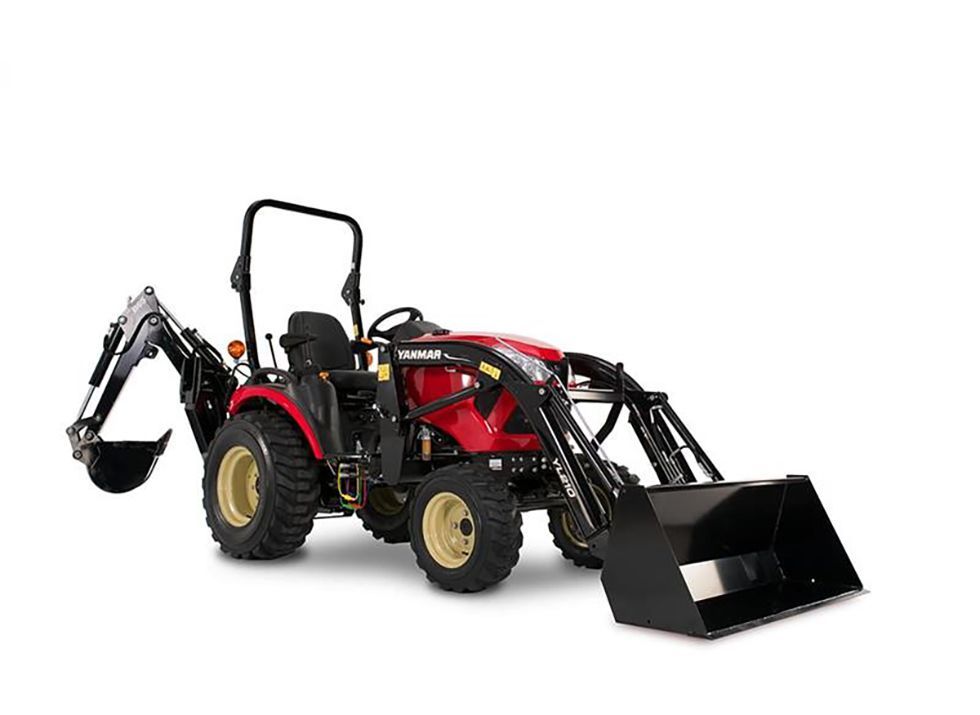
Wondering what size tractor you need for 5–10 acres? Learn how to choose the right compact tractor, attachments, and horsepower for your property.