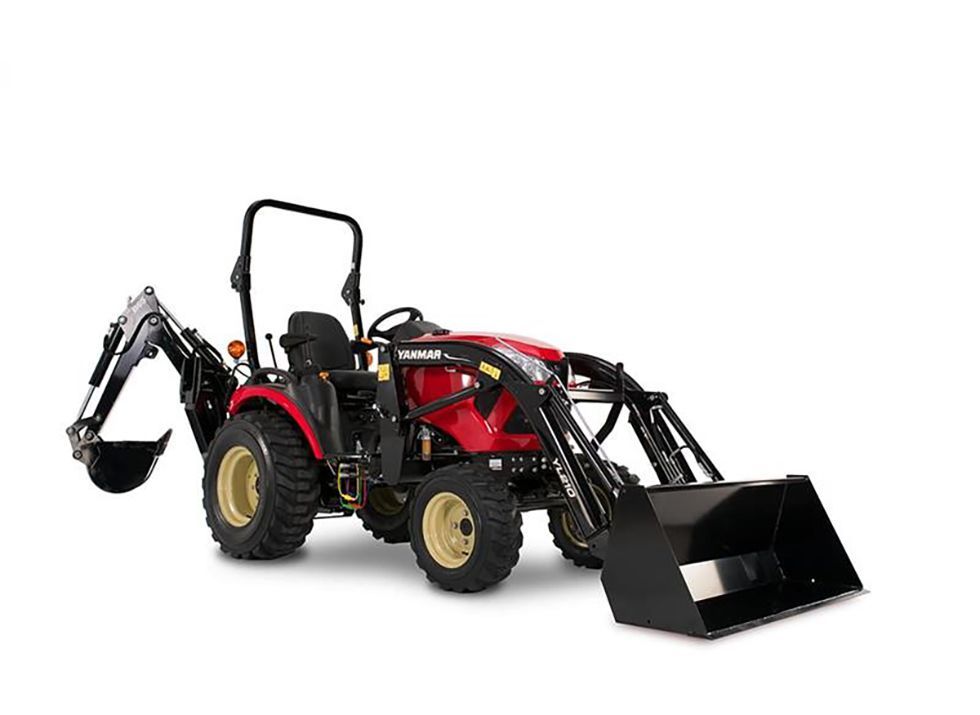


Finding the Best Yanmar Tractors Nearby
Finding the Best Yanmar Tractors Nearby
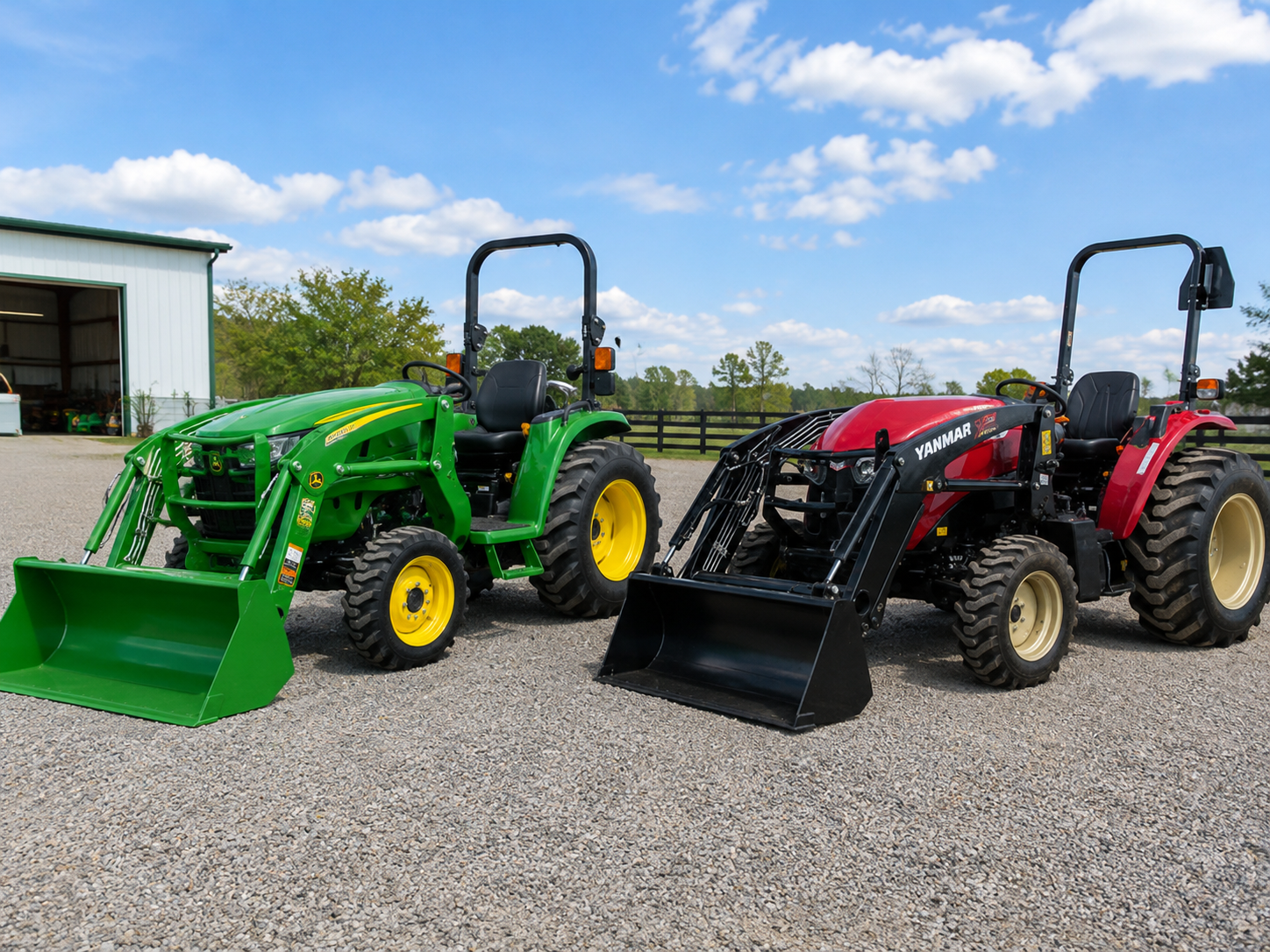
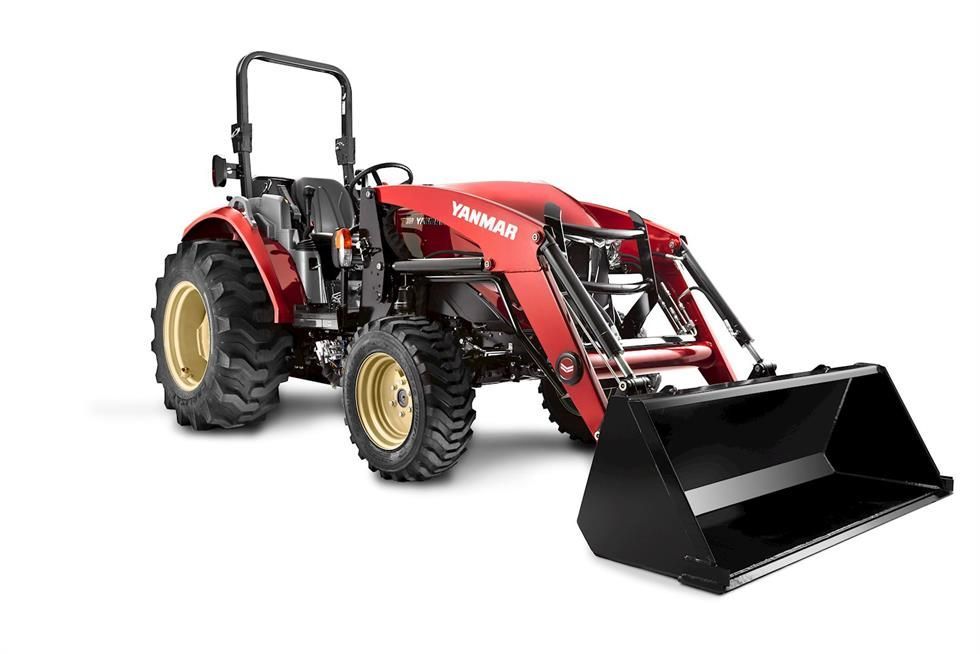
If you’re searching for a Yanmar tractor locally, you’re probably balancing three things: power, reliability, and price. The good news is that many tractors hold value well—and when you shop smart, you can land an excellent machine that fits your property and budget without paying new-equipment premiums. This guide walks you through buying a Yanmar tractor nearby, comparing new vs used value, and inspecting a pre-owned unit like a pro—focused on machines up to 75 HP.
Start With Your Property: Matching Tractor Size to Your Work
Before you type “tractors for sale near me,” define your needs. The right tractor size depends on terrain, tasks, and implement demands—and horsepower needs are often driven more by implements than acreage alone.
Quick sizing guidance (general use):
- 1–5 acres: ~18–30 HP often covers mowing, light grading, mulch, and small loader work
- 5–15 acres: ~30–45 HP is a common sweet spot for loader work, box blade, tiller, and light brush cutting
- 15–40 acres: ~45–75 HP may be appropriate for heavier ground engagement, wider implements, and frequent use
Also consider:
- Hilly or wet ground: prioritize traction and stability (more on 4WD below)
- Implement width: your mower, tiller, and cutter widths often drive horsepower needs more than acreage alone
- Storage and access: a larger frame may not fit sheds, gates, or tight barn lanes
New vs Used Yanmar Tractor: Where the Value Usually Is
When comparing new vs used, used often wins on cost-per-capability—especially if you can verify maintenance history.
Used advantages:
- Lower upfront cost
- Slower depreciation curve (many tractors take their biggest depreciation hit early)
- More budget left for attachments and initial service
New advantages:
- Latest safety/comfort features
- Full factory warranty and sometimes dealer incentives
- Predictable maintenance timeline
A practical rule: if you need maximum uptime for contracted work, new can make sense. If you’re a landowner who can schedule maintenance and tolerate small fixes, buying used can deliver excellent value.
Where to Buy Pre-Owned Yanmar Tractors (and What Each Option Means)
Knowing where to buy pre-owned tractors helps you balance selection, price, and risk. The main channels include:
Yanmar dealer inventory (often best for first-time buyers)
- Typically inspected and serviced
- May offer warranty or protection options
- Better access to parts and service history (when available)
Private sale (often best price, higher responsibility)
- You’ll rely on your own inspection and verification
- Ask for receipts, fluid/filters history, and storage conditions
Auctions and online marketplaces
- Great selection, variable condition
- Factor transport, buyer fees, and limited test opportunities
Local farm equipment channels
Many communities have strong farm equipment networks—regional dealers, consignment lots, and seasonal equipment events.
Tip: Search a wide radius, not just “near me.” A clean, well-maintained tractor an extra hour away can beat a cheaper unit with hidden problems.
Why Choose Yanmar (What to Prioritize When Comparing Listings)
When you’re staying within one brand, your best leverage comes from comparing condition, dealer support, and implement fit—not just horsepower.
When evaluating a specific Yanmar listing, prioritize:
- Nearby dealer support for parts and service
- Overall condition (leaks, wear points, hydraulic performance) over the hour number alone
- Attachment compatibility and quick-attach systems you plan to use
Also check that the tractor’s attachments and quick-attach systems match what’s common in your area—standardization can save money.
Tractor Price Guide: What Drives Used Pricing?
A realistic price guide needs to account for more than horsepower. Used prices move with region, season, and included implements.
Main pricing factors:
- Hours on the meter (but hours alone don’t tell the whole story)
- Condition of loader, hydraulics, tires, and drivetrain
- Included attachments (loader, mower, backhoe, pallet forks)
- Service documentation and storage history
- 2WD vs 4WD, transmission type, and emissions tier (depending on age)
Seasonality tip: In many regions, prices rise in spring when landowners gear up for projects. If you can buy in late fall/winter, you may find better deals.
How to Evaluate Tractor Hours (Without Getting Fooled)
Learning how to evaluate tractor hours is critical because hours can mean “light mowing” or “hard loader work in dust,” depending on the operator.
Use this checklist to interpret hours:
- Compare hours to age: very low hours can be legitimate—or indicate a replaced meter
- Inspect wear points that “tell the truth”:
- Pedal wear, steering wheel shine, seat tears
- Loader joystick play, 3-point hitch ball-end slop
- Hydraulic coupler scarring and hose cracking
- Ask what the tractor did most: mowing is typically easier than constant loader digging
General perspective: 1,000–2,000 hours can be perfectly fine for tractors in this class if maintenance is consistent. Condition beats the number.
Pre-Owned Tractor Inspection Checklist (Bring This With You)
A thorough pre-owned tractor inspection checklist reduces surprises and strengthens your negotiating position. Ideally, inspect the tractor cold (not pre-warmed).
Walk-around and structure
- Check for bent loader arms, cracked welds, and frame damage
- Look for leaks underneath: engine, transmission, axles, and hydraulic lines
- Inspect tires for sidewall cracks and mismatched sizes (a red flag on 4WD)
Engine and cooling
- Cold start: excessive cranking or heavy smoke can indicate issues
- Check coolant color and level; look for oily residue in radiator neck (if accessible)
- Listen for knocking, uneven idle, or surging
Hydraulics and loader performance
- Raise/hold loader and 3-point hitch; watch for drift
- Cycle hydraulics fully; listen for whining or chatter
- Check quick couplers for seepage and damaged dust caps
Transmission and driveline
This is where hydrostatic vs gear transmission matters:
- Hydrostatic (HST): smooth speed control, great for loader work; test for strong pull uphill and no slipping under load
- Gear: efficient for steady pulling; test clutch engagement, gear selection, and any grinding
PTO and 3-point hitch
- Engage PTO at low idle first; check for vibration and noise
- Confirm 3-point raises smoothly and holds position
Electrical and safety
- Test lights, gauges, PTO safety switch (where applicable)
- Ensure ROPS is present and intact
Common Tractor Problems to Watch For
Knowing common problems helps you spot expensive repairs early. Watch for:
- Hydraulic leaks at hoses, cylinder seals, or valve blocks
- Front axle issues (especially on 4WD units used hard with loaders)
- Cooling system neglect (overheating scars engines)
- HST performance weakness (sluggishness can mean wear or wrong fluid)
- Electrical corrosion on older units stored outdoors
- Loader pin/bushing wear causing sloppy operation
Ask directly: “What’s been repaired in the last 12 months?” and “What does it need next?”
4WD Benefits (When It’s Worth Paying More)
The 4WD compact tractor benefits are most noticeable when you use a loader, operate on slopes, or work in wet soil.
4WD typically improves:
- Traction and stability on hills
- Loader performance (less front wheel spin when pushing/piling)
- Control when grading or pulling implements
If you plan frequent loader work or have uneven terrain, 4WD is usually money well spent. If you only mow flat ground, 2WD can be fine—if priced accordingly.
Attachments: Buy Smart, Not Just Cheap
For property owners and small operations, attachments can make a tractor far more useful than extra horsepower.
High-value attachments to consider:
- Front-end loader (often the most important)
- Box blade or rear blade (grading and driveway work)
- Rotary cutter/brush hog (field maintenance)
- Finish mower (lawn-quality mowing)
- Pallet forks (material handling)
- Tiller (gardens and food plots)
- Snow blower or rear snow blade (cold-climate utility)
When comparing listings, note the attachment brand, condition, and compatibility (Category 1 vs 2 3-point, PTO speed, hydraulic remotes).
Diesel Maintenance Tips (So Your Used Tractor Stays “Used,” Not “Broken”)
Most tractors in this category are diesel, and a few habits go a long way. These diesel compact tractor maintenance tips help protect your purchase:
- Use the correct diesel fuel and keep water out (drain water separator if equipped)
- Change engine oil and filters on schedule; confirm the correct spec fluids
- Keep radiator screens clean—overheating is a common silent killer
- Grease loader pins and driveline points regularly
- Monitor hydraulic fluid condition; use manufacturer-recommended fluid
- Store under cover when possible to protect hoses, seals, and wiring
Service Records and Warranty: What to Ask For
When shopping used, documentation is leverage. Ask for:
- Service receipts (filters, fluids, repairs)
- Owner’s manual and maintenance schedule
- Serial number for model verification and parts lookup
If buying from a dealer, ask what coverage is included and what’s excluded. A short warranty can still be valuable if it covers major drivetrain components.
Financing Options for Used Tractors: Keep Monthly Costs Predictable
Not everyone wants to pay cash—and financing can make sense if the rate and term align with your budget.
Common options:
- Dealer-arranged financing (sometimes easiest, may include service add-ons)
- Local bank/credit union equipment loans
- Home equity options (not for everyone; consider risk carefully)
Before signing:
- Calculate total cost of borrowing, not just monthly payment
- Avoid long terms that outlast the tractor’s expected reliability window
- Keep budget room for maintenance, fluids, and a few replacement parts
Final Takeaway: A Simple Plan to Find the Right Yanmar Tractor Nearby.
To find the best “nearby” deals, focus on fit and condition first, then negotiate price second. Define your needs, prioritize 4WD and transmission type based on your tasks, follow a strict inspection routine, and buy from a source that matches your risk tolerance. With a solid inspection checklist, a realistic price guide, and a plan for attachments and upkeep, you’ll end up with a tractor that can handle the work you bought it for.