
Skid Steer vs. Articulated Loader: Which Is the Better Investment for Your Business?
When you're investing in compact equipment, choosing the right machine can affect productivity, operating costs, and the types of jobs you can take on. Two options worth comparing are traditional skid steer loaders and articulated wheel loaders.
Both machines can lift, load, transport materials, and operate in confined spaces. But they do so differently, and understanding those differences can help you make a smarter purchasing decision.
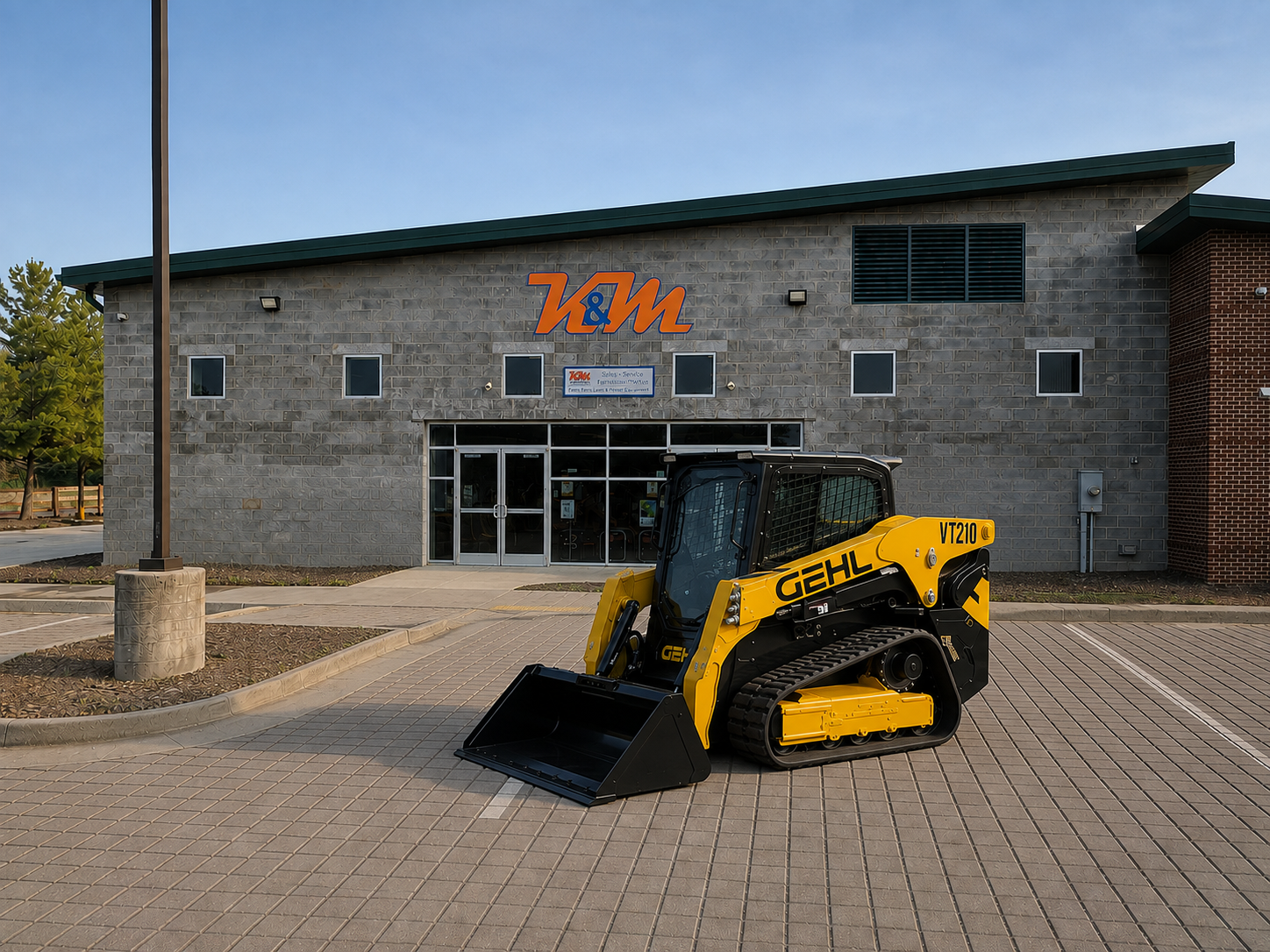
At K&M Lawn, Garden & Arborist Supplies in Culpeper, Virginia, we help contractors, landscapers, arborists, agricultural operations, and municipalities evaluate GEHL compact equipment based on the work they actually perform.
What Is a Skid Steer?
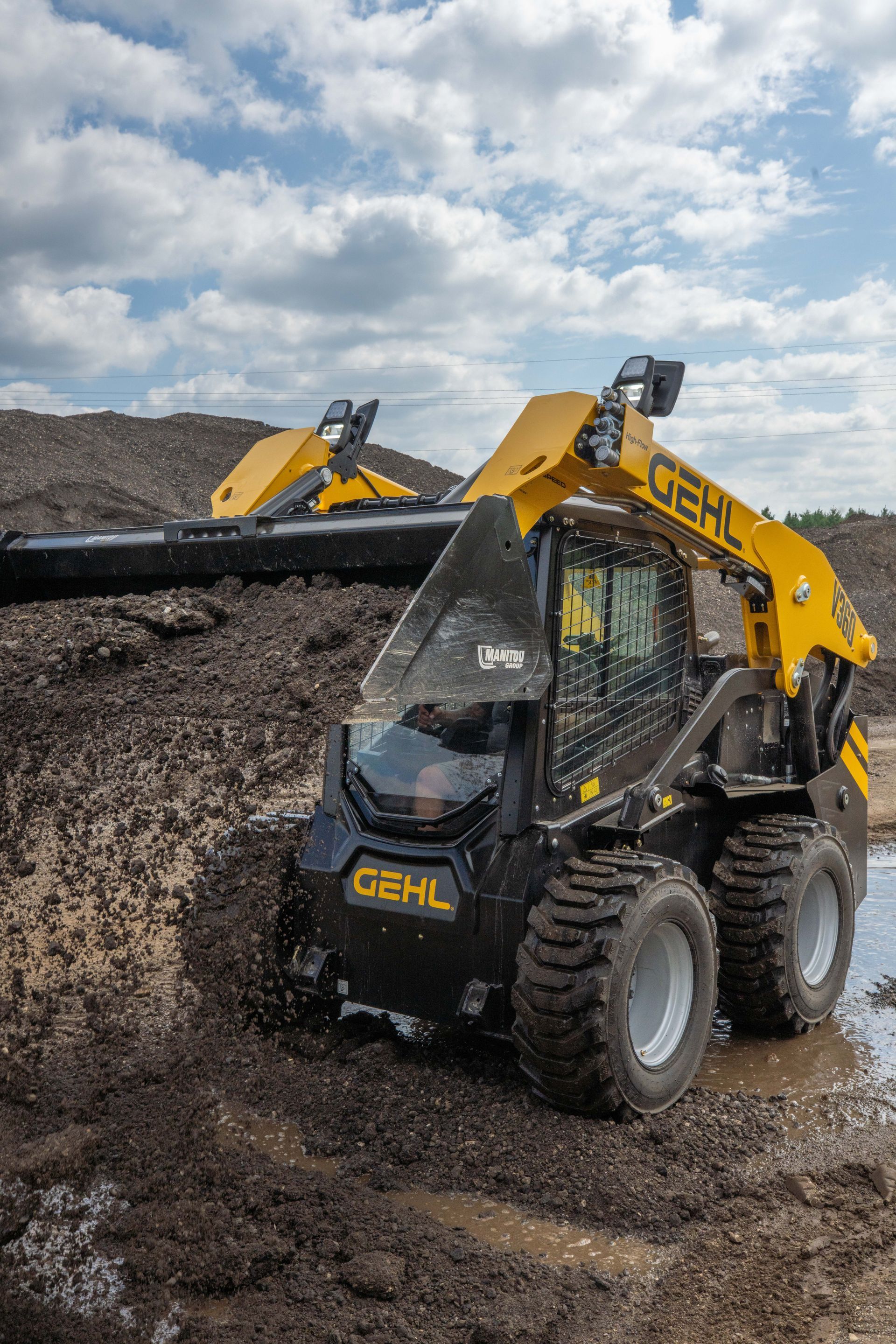
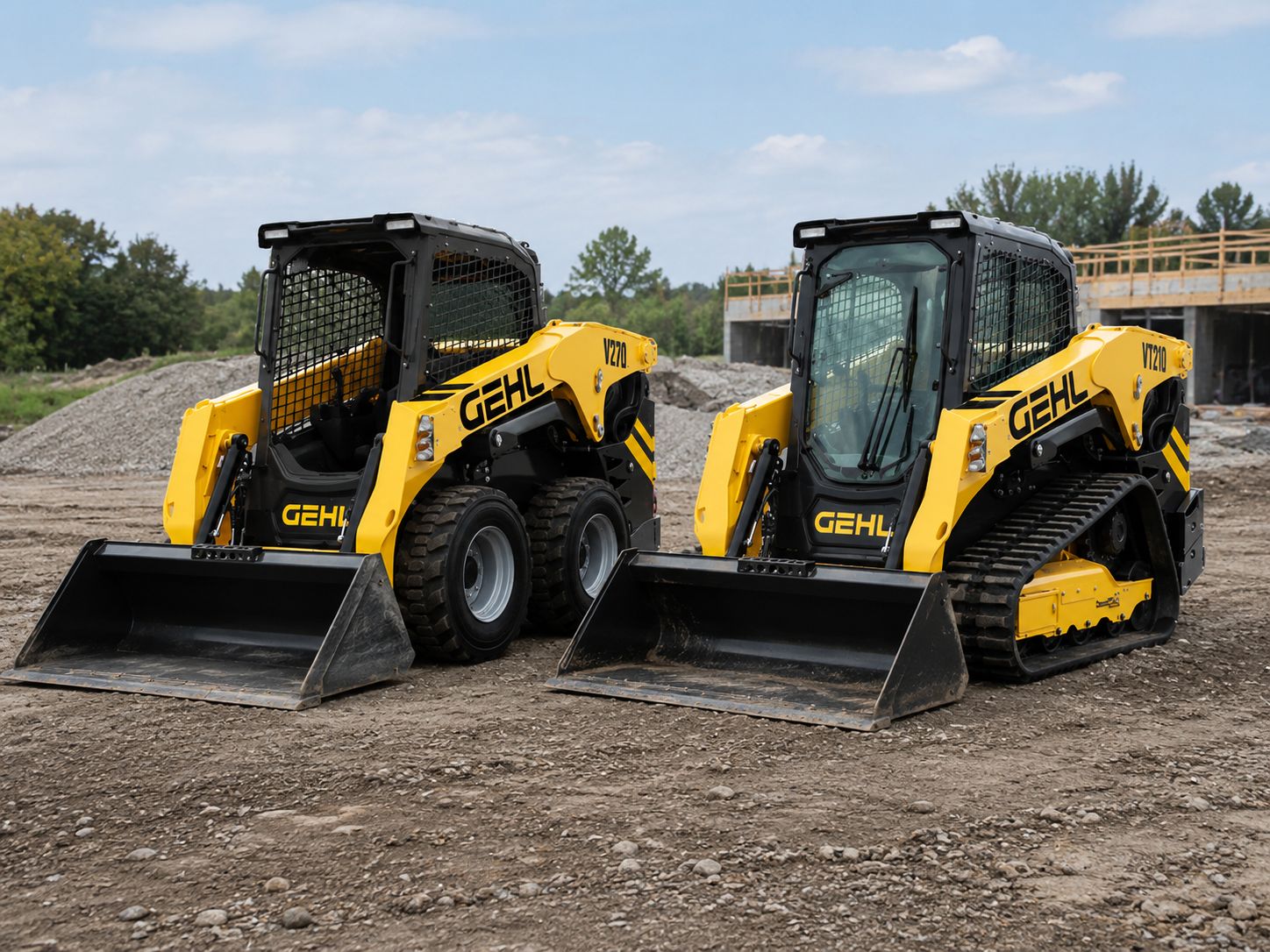
A skid steer loader is a compact machine that uses independent drive systems on each side to steer. By changing the speed or direction of its wheels, an operator can turn the machine within a very small footprint. Skid steers are popular because of their versatility, compact design, and broad attachment options.
Common skid steer applications include:
- Excavation and site preparation
- Grading and backfilling
- Loading trucks and trailers
- Moving soil, stone, and construction materials
- Brush removal and property clearing
- Operating hydraulic attachments such as augers and trenchers
GEHL offers skid steer loaders with different lifting capacities, lift configurations, and hydraulic options to serve a range of industries.
What Is an Articulated Loader?
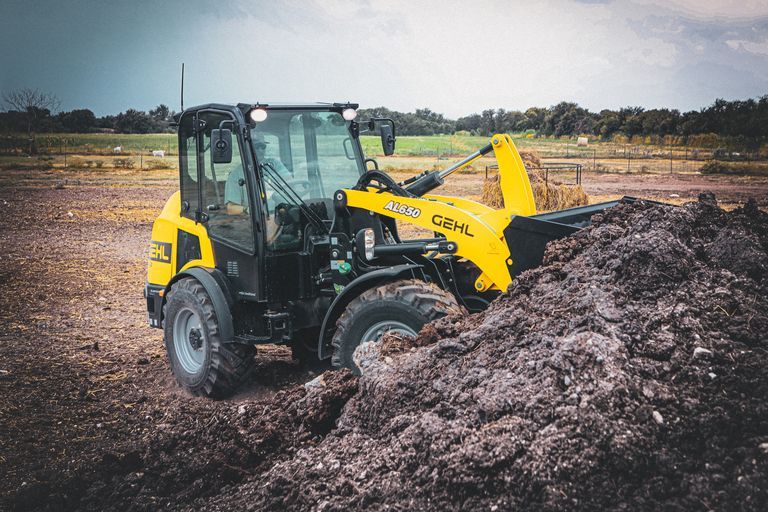
An articulated wheel loader has a hinged frame that allows the front and rear sections of the machine to pivot relative to one another. Instead of skidding its tires to turn, an articulated loader follows a curved path.
This design provides maneuverability and can reduce surface damage, especially when moving across maintained lawns and landscaped areas.
Common articulated loader applications include:
- Moving mulch, topsoil, and landscape stone
- Transporting pallets and bulk materials
- Handling logs and brush with compatible grapples
- Maintaining parks, gardens, and commercial properties
- Moving feed, bedding, and supplies on farms
- Loading trucks and transporting materials around job sites
For companies that spend much of their time moving materials rather than excavating, an articulated loader can be an attractive alternative to a skid steer.
Which Machine Is Better for Landscaping?
For landscaping companies, the answer depends on the services you provide. A skid steer is a great choice for contractors performing grading, excavation, hardscape preparation, and other ground-engaging work.
However, if your business primarily installs mulch, moves plants, transports stone, or maintains established properties, an articulated loader may offer practical advantages.
Because an articulated loader turns without skidding its tires sideways, it can reduce turf disturbance compared with a skid steer performing sharp turns.
That can be especially important when working on residential lawns, commercial landscapes, golf courses, and parks.
Consider the cost of repairing a customer's lawn after completing a job. Less surface disturbance may reduce restoration labor and help protect your profitability.
Which Machine Is Better for Tree Services and Arborists?
Both machines can be valuable for tree care operations. Skid steers are often selected for demanding brush removal, land clearing, and tasks involving specialized hydraulic attachments.
Articulated loaders can be especially useful for transporting logs, branches, and other materials through established landscapes.
When equipped with an approved grapple, an articulated loader can help crews move debris without relying entirely on manual labor.
For residential tree services that frequently work on maintained properties, the articulated loader's steering system can be a significant advantage. Before selecting either machine, compare grapple compatibility, hydraulic requirements, lift capacity, reach, and access dimensions.
Which Machine Is Better for Lifting and Loading?
Both types of equipment can perform material-handling tasks.
The important questions are:
- How much weight do you need to lift?
- How high must the material be raised?
- How far forward must the load reach?
- How much room is available to maneuver?
- What attachment will you use?
Skid steers are available with radial-lift and vertical-lift configurations, providing different advantages depending on the task.
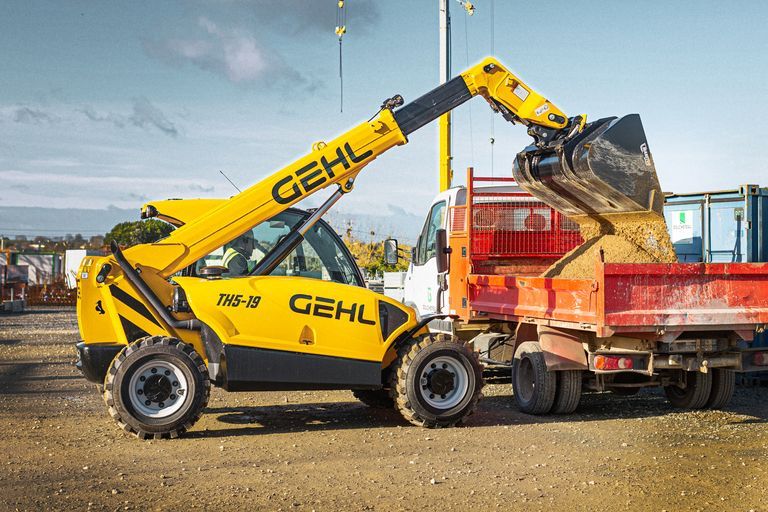
GEHL articulated loaders are also available in different sizes and configurations, including select telescopic models designed to provide additional lifting reach.
Select the right machine based on its published capacity and operating specifications, rather than assuming one category always lifts more than another.
What About Operating Costs?
Purchase price is only one part of equipment ownership. Fuel consumption, tire wear, maintenance, repair expenses, attachment costs, and productivity can all influence the total cost of ownership.
A skid steer that regularly makes sharp turns on abrasive surfaces may experience different tire-wear patterns than an articulated loader that mostly rolls. However, maintenance requirements and operating expenses vary considerably by model and application.
Instead of assuming one machine will always cost less to operate, compare equipment under realistic working conditions.
The most economical machine is often the one that completes your everyday tasks efficiently with the least unnecessary expense.
Can an Articulated Loader Replace a Skid Steer?
For some businesses, absolutely.
If your daily work centers on loading, lifting, transporting materials, and grounds maintenance, an articulated loader may perform many of the tasks currently handled by a skid steer. For contractors that depend heavily on excavation, grading, high-flow hydraulic tools, or specialized ground-engaging attachments, a skid steer may remain the more practical choice.
In some operations, having both types of machines makes sense.
An articulated loader can handle routine material transportation while a skid steer tackles excavation or attachment-intensive work. The key is identifying where each machine adds value.
Frequently Asked Questions
What's the difference between a GEHL articulated loader and a skid steer?
A GEHL articulated loader uses articulated steering for maneuverability and efficient material transport, making it useful for landscaping, property maintenance, and loading operations. A GEHL skid steer uses skid steering and offers excellent maneuverability in confined workspaces, with hydraulic attachment options suited to grading, excavation, and construction. The best choice depends on the jobsite, attachments, terrain, and lifting requirements. Is an articulated loader better than a skid steer?
Neither is universally better. Skid steers are highly versatile for construction and excavation. Articulated loaders can offer advantages for material handling, maneuverability around obstacles, and reduced surface disturbance.
Which machine is better for working on grass?
An articulated loader will often be gentler on turf because of its steering design. However, both machines can cause damage depending on tire selection, weight, moisture, and operator technique.
Can a skid steer lift more than an articulated loader?
Not necessarily. Lifting capacity varies by model. Compare published rated capacities, lifting geometry, height, and reach.
Can articulated loaders use skid-steer attachments?
Some GEHL articulated loaders support compatible skid-steer-style attachment mounting systems. Verify coupler fit, hydraulic requirements, weight limits, and approved applications for each combination.
Which loader is better for snow removal?
Both can perform snow removal when equipped with compatible attachments. The best choice depends on site conditions, attachment needs, traction, and operating requirements.
Where can I compare GEHL skid steers and articulated loaders in Virginia?
K&M Lawn, Garden & Arborist Supplies serves customers throughout Central and Northern Virginia. Contact the K&M equipment team to discuss GEHL models, equipment options, and current availability.
Make the Right Equipment Decision with K&M
A skid steer and an articulated loader may appear to do similar jobs, but differences in steering, lifting, attachments, and ground disturbance can significantly affect your daily operations.
Instead of choosing equipment based only on horsepower or purchase price, consider the tasks your crews perform most often.
At K&M Lawn, Garden & Arborist Supplies, we help commercial customers, contractors, farmers, tree services, and government agencies compare equipment based on real-world requirements.
We offer GEHL compact equipment, including skid steers, compact track loaders, and articulated loaders. Eligible government agencies and participating organizations can also ask about qualifying GEHL equipment available through Sourcewell cooperative purchasing.
Ready to compare your options?
Visit K&M in Culpeper, Virginia, or contact our equipment specialists to discuss your lifting requirements, applications, and available models.
K&M Lawn, Garden & Arborist Supplies
16299 Allied Way, Culpeper, VA 22701
Explore GEHL Equipment:
https://www.kmlawngardenarborist.com/gehl
The right machine isn't always the biggest or most expensive. It's the one that works best for your business.