
Yanmar Compact Tractor Engines: Why In-House Design Matters
When shopping for a compact tractor, it is easy to focus on horsepower, lift capacity, or attachments. But one of the most important parts is the one you rarely see when the hood is closed: the engine.
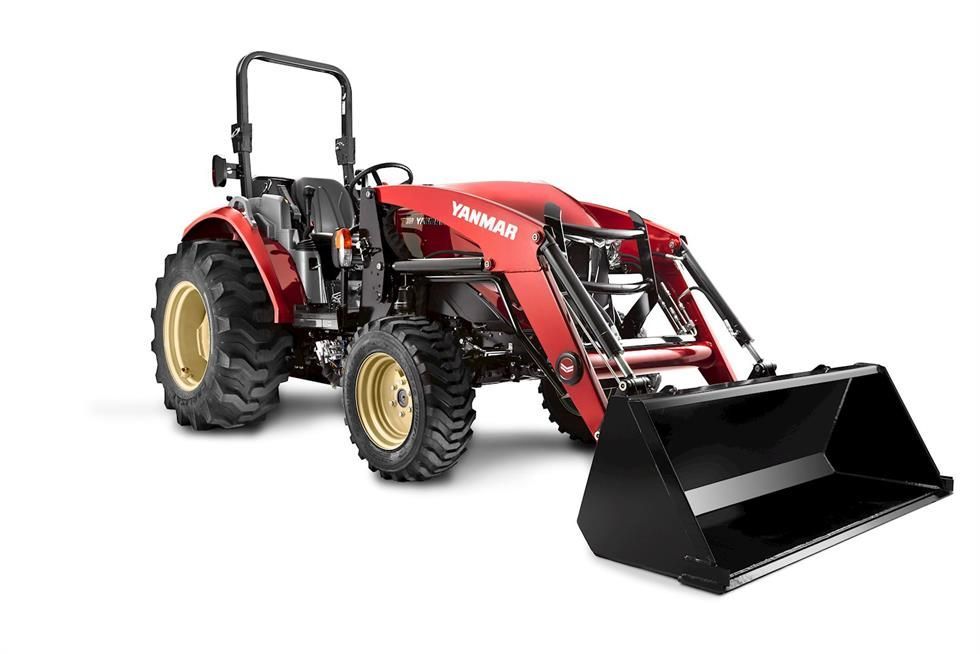
Unlike many equipment brands that buy engines from outside suppliers, Yanmar designs and builds its own diesel engines. Engine work has been core to the company for more than 100 years.
For property owners, farmers, landscapers, and city crews, that built-in design means each major tractor part is made to work together from the start.
Summary
Yanmar's in-house engine design helps with tractor power, durability, fuel use, and long-term trust. By building engines, transmissions, and other major systems together, Yanmar makes tractors that act like one machine, not a pile of parts. That can mean smoother use, steady power flow, cleaner emissions, and reliable work on property, farm, and job-site tasks.
More Than 100 Years of Diesel Innovation
Yanmar was founded in Osaka, Japan, in 1912. In 1933, the company released the world's first practical small diesel engine. That helped bring diesel power to smaller farm and industrial machines.
Since then, Yanmar has kept investing in engine research, manufacturing, and emissions tech. Today, Yanmar engines power not only its own tractors but also equipment used in agriculture, construction, marine work, and power generation.
That long history has built a name for tough, fuel-saving diesel engines made for hard work.
Why Build Your Own Engine?
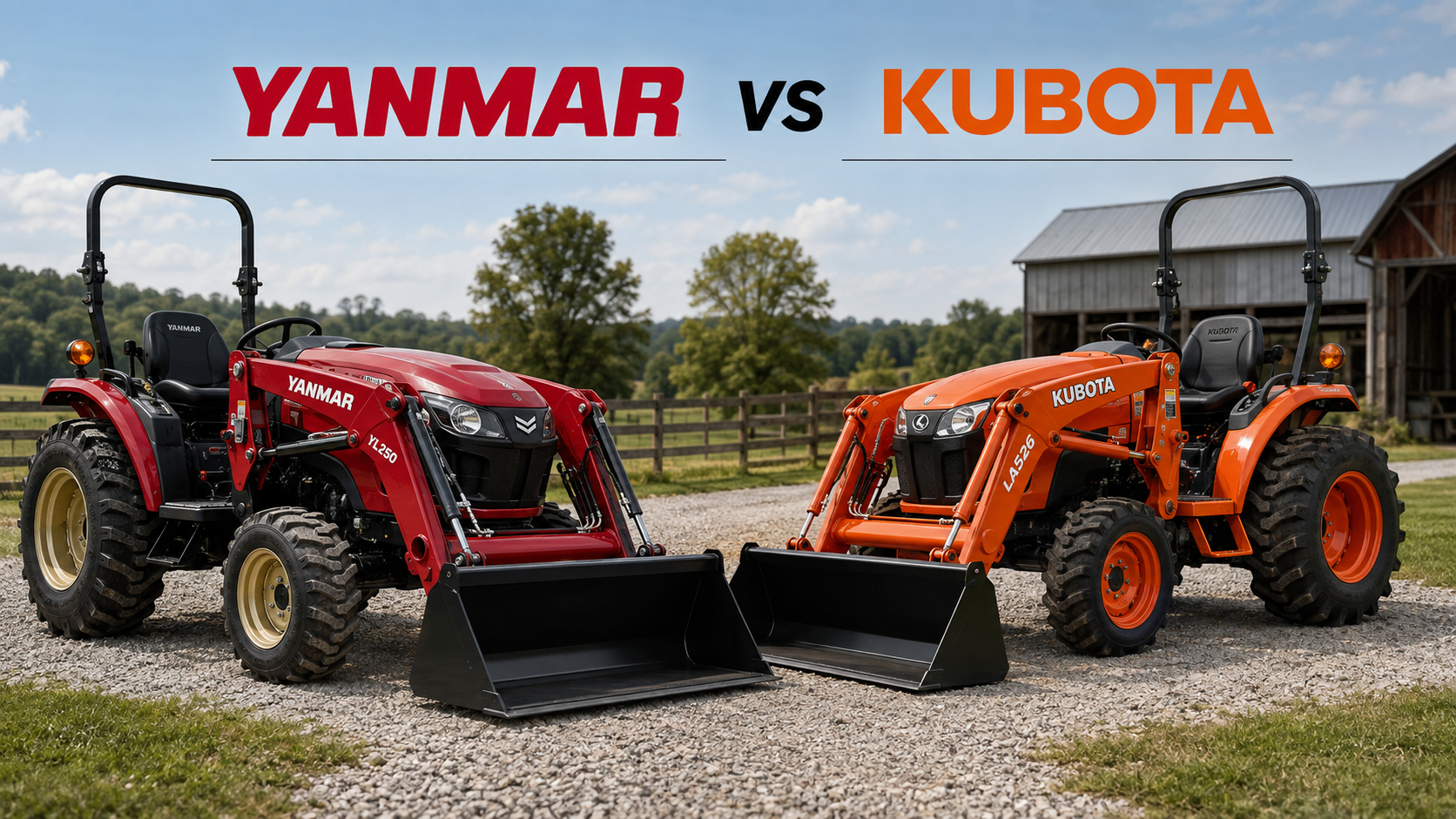
Many tractor brands buy engines from outside firms. That is not wrong, but it means the rest of the machine must be built around an engine made for something else.
Yanmar takes a different path.
By building both the tractor and the engine, Yanmar can make them work better together. Cooling, hydraulic flow, transmission fit, and service access are all planned as one package, not as parts from different makers.
The result is a machine built as one system, not just a set of parts.
Engine and Transmission Designed Together
One strong example is Yanmar's exclusive i-HMT (Integrated Hydro Mechanical Transmission) on select YT Series tractors.
Because Yanmar designs both the engine and the transmission, the two systems work as a matched pair. Power, hydraulic flow, and transmission response are tuned for smooth use across jobs like mowing, grading, and loader work.
This teamwork helps deliver steady power without making the operator keep shifting gears or changing engine speed.
Fuel Use Matters
Fuel is one of the main costs of owning a tractor.
Yanmar engines use efficient combustion, modern fuel injection, and carefully managed power curves to get more from each gallon of diesel. That can help lower running costs over the life of the tractor. If you manage five acres or run equipment for work, better fuel use can save money over time.
Built for Hard Work
A tractor often becomes one of the hardest-working tools on a property.
It may spend long days mowing fields, moving gravel, clearing snow, digging post holes, or maintaining trails.
Yanmar builds its engines to last. Heavy-duty parts, strong cooling, and precise manufacturing help the engine keep working through years of use and regular service. Routine service still matters most for engine life, but a well-built engine gives you a strong start.
Modern Diesel Standards
Modern diesel engines differ greatly from those built decades ago.
Yanmar has invested heavily in emissions tech to meet today's rules while maintaining strong performance.
Depending on the model, Yanmar engines may use systems that cut emissions and improve burn without losing the torque diesel is known for.
For owners, that means cleaner use while keeping the pull needed for hard jobs.
Used Beyond Tractors
One reason Yanmar engines have a strong reputation is that they power more than tractors. Yanmar diesel engines also power equipment in agriculture, construction, marine work, and power generation. That wider use shows the trust many equipment makers place in Yanmar engine tech.
Compact Tractors Need Broad Torque
Compact tractors are expected to do many jobs through the year. One day they may mow pasture. The next day they may haul, grade, or clear snow.
Yanmar builds its engines to give useful torque across a wide range, so the tractor can handle changing loads without feeling weak.
One System, One Team
Think of a tractor like an orchestra. If each player follows a different leader, the music falls apart. When everyone follows the same score under one conductor, the result is smooth and well timed.
That is the benefit of Yanmar designing the engine, transmission, drivetrain, and other major systems together. Instead of fitting one maker's engine to another company's tractor, Yanmar builds these systems as one unit from the start. This approach helps the whole machine feel more balanced and easier to use.
See the Difference for Yourself
Specs tell part of the story, but the best way to judge a Yanmar tractor is to drive one. At K&M, we can help you compare models, explain Yanmar's in-house engine tech, and match you with a tractor that fits your land and your work.
Whether you are a Virginia tractor buyer, caring for a small place, managing a horse farm, or running commercial equipment, we are here to help you choose well.
Stop by our dealership or contact us to set up a demo and see why so many property owners trust Yanmar.
Q&A
Question: Why does it matter that Yanmar builds its own engines?
Short answer: Because Yanmar designs the engine, transmission, drivetrain, and other major systems together, the tractor can work as one tuned machine. That improves power flow, cooling, hydraulic flow, service access, fuel use, and long-term reliability.
Question: What is Yanmar's i-HMT transmission?
Yanmar's i-HMT, or Integrated Hydro Mechanical Transmission, is a special transmission on select YT Series tractors. It is designed to work closely with the engine so the tractor runs smoothly and uses power efficiently for mowing, grading, and loader work.
Question: How does in-house engine design affect fuel efficiency?
Yanmar engines use efficient combustion, modern fuel injection, and carefully designed power curves. These features help the tractor get more from each gallon of diesel, which can lower running costs over the machine's life.
Question: Are Yanmar engines only used in tractors?
No. The article notes that Yanmar diesel engines are also used in agriculture, construction, marine work, and power generation. That broader use helps show the strength of Yanmar engine tech.
Question: What should owners do to help maximize the life of a Yanmar engine?
Short answer: Routine service still matters most. Yanmar builds its engines for durability with heavy-duty parts, strong cooling, and precise manufacturing, but scheduled maintenance remains one of the biggest factors in engine life.