

Top Skid Steer Maintenance Tips for Longevity
Essential Skid Steer Maintenance Tips
Keeping a Skid Steer productive starts with simple, consistent maintenance. This page outlines a practical maintenance-focused product approach for owners, operators, and fleet managers who want smoother operation, longer attachment life, and fewer avoidable interruptions. Use these tips before daily work, between attachment changes, and when deciding which skid steer attachments are worth adding to your setup.
What maintenance does a Skid Steer need most?
A Skid Steer needs regular checks of fluids, tires or tracks, hydraulic connections, grease points, filters, safety systems, and attachment couplers. The goal isn't to overcomplicate the routine; it is to catch small issues before they cause downtime. A clean machine with inspected skid steer attachments is easier to operate, safer to connect, and better prepared for demanding jobs.
A good maintenance routine also protects your attachment investment. Buckets, forks, grapples, augers, trenchers, brooms, and other tools all depend on the machine’s hydraulic flow, mounting plate, pins, hoses, and operator habits. When you neglect those points, even a strong attachment can perform poorly or wear faster than expected.
Built for operators who depend on uptime
The best maintenance mindset is practical: check what matters, clean what gets dirty, lubricate what moves, and replace worn parts before they fail on a jobsite. Whether your Skid Steer is used in construction, landscaping, agriculture, snow removal, demolition, or property maintenance, small daily habits can reduce frustration and help operators work with more confidence.
This maintenance-focused page is designed for people who use a Skid Steer as a working tool, not a showroom machine. It supports buyers comparing skid steer attachments, teams training new operators, and owners who want a repeatable inspection routine. Instead of guessing, you get a clear sequence of areas to review before the machine goes into service.
Core maintenance benefits
A consistent maintenance routine can improve how your Skid Steer feels, performs, and ages. It also makes attachment changes more predictable because operators are less likely to discover damaged hoses, packed couplers, loose pins, or low fluid levels after the job has already started.
Key benefits include:
- More reliable starts and operation: Fluid, battery, belt, and filter checks help reduce preventable delays.
- Better hydraulic performance: Clean couplers, correct fluid levels, and inspected hoses support smoother attachment function.
- Longer attachment life: Greasing pivot points and inspecting cutting edges, teeth, hoses, and mounts helps prevent premature wear.
- Safer daily operation: Tire, track, lighting, backup alarm, restraint, and visibility checks help operators identify concerns before use.
- Cleaner jobsite workflow: A maintained machine is easier to connect, disconnect, load, transport, and return to work.
Daily inspection checklist
A daily inspection should be short enough that operators actually complete it, but detailed enough to catch obvious problems. Perform the walkaround before the machine is warmed up, then recheck for leaks or warning signs after a few minutes of operation.
Use this checklist as a practical starting point:
- Walk around the machine. Look for fresh leaks, loose panels, damaged guards, missing bolts, debris buildup, or anything hanging lower than it should.
- Check tires or tracks. Inspect tire pressure, cuts, uneven wear, track tension, embedded debris, and damaged tread.
- Review fluid levels. Confirm engine oil, coolant, hydraulic fluid, and fuel are at the appropriate levels per the machine’s manual.
- Inspect hydraulic hoses and couplers. Look for cracked covers, wet fittings, crushed lines, dirt in couplers, and loose connections.
- Grease required points. Focus on lift arms, pivot points, quick coupler areas, and attachment pins where movement and load create wear.
- Test safety features. Confirm lights, horn, backup alarm, seat bar, restraint system, parking brake, and controls are functioning.
- Clean visibility areas. Remove mud, dust, snow, or debris from windows, mirrors, cameras, lights, and steps.
- Inspect the attachment. Check the mount, pins, cutting edge, teeth, hoses, electrical plug, or moving parts before engaging the tool.
Hydraulic care supports attachment performance
Hydraulics are central to many Skid Steer jobs, especially when running powered skid steer attachments. Grapples, brush cutters, augers, trenchers, brooms, snow blowers, breakers, and similar tools rely on clean connections and steady flow. If couplers are dirty, hoses are worn, or fluid is low, the attachment may feel weak, slow, jerky, or inconsistent.
Before connecting an attachment, wipe couplers clean and inspect both sides of the connection. Check for damaged O-rings, leaking fittings, and hose routing that could pinch when the lift arms move. After connecting, cycle the attachment carefully at low speed before loading it, then check again for leaks or abnormal movement.
Hydraulic maintenance also includes operator awareness. Never ignore sudden heat, unusual noise, slow response, or repeated pressure issues. Those signs can indicate a problem with the machine, the attachment, or the match between the two.
Attachment changeover routine
Quick attachment changes are one of the main advantages of a Skid Steer, but speed should not replace inspection. A reliable changeover routine protects the coupler, the tool, and the operator.
Before switching tools:
- Park on stable, level ground when possible.
- Lower the attachment fully and release hydraulic pressure according to the machine’s procedure.
- Clean the mounting plate, coupler area, and hydraulic connections.
- Inspect pins, latches, hoses, electrical connectors, and visible wear points.
- Confirm the attachment is fully locked before lifting or moving it.
- Test the tool slowly before entering the work area.
This process is especially important when moving between heavy-use attachments, such as a bucket in the morning and a hydraulic grapple later in the day. A few minutes of inspection can prevent a poor connection, damaged hose, or unsafe lift.
Specifications and fit considerations
Maintenance is easier when the machine and attachment match. Before buying or using any attachment, confirm compatibility with your specific Skid Steer model, operating capacity, hydraulic requirements, and coupler style. If you don't verify those details, performance can suffer, and service needs can increase.
Important fit details to review include:
- Machine make, model, and operating capacity
- Standard-flow or high-flow hydraulic requirements
- Attachment weight and load impact
- Coupler or mounting interface
- Hose length, routing, and connection type
- Electrical control requirements, if applicable
- Wear part availability and service access
- Storage space and transport needs
If you are unsure about fit, request guidance before purchasing. A properly matched attachment is easier to maintain, safer to operate, and more productive over time.
Pricing and purchase guidance
Pricing for skid steer attachments and maintenance-related parts can vary based on size, hydraulic requirements, construction, wear components, and compatibility needs. Because exact pricing depends on the attachment type and machine fit, the safest next step is to request a current quote for the product or package you are considering. That approach helps you avoid buying a tool that looks right but doesn't match how your Skid Steer is actually used.
When reviewing a price, consider the full ownership picture. A lower upfront cost may not be the best value if wear parts are difficult to replace, grease points are hard to reach, or hose protection is limited. The right choice balances purchase price, durability, service access, and the work you do most often.
A practical example from the jobsite
Imagine an operator preparing a Skid Steer for a day of brush cleanup. The machine starts, but the grapple hoses are dusty, one coupler is packed with debris, and the attachment pins are dry. Without a quick inspection, the operator may connect the grapple, enter the work area, and only then discover weak movement or a leaking fitting.
With a maintenance routine, the same job starts differently. The operator cleans the couplers, checks hose routing, adds grease, confirms the coupler is locked, and tests the grapple at low speed. The work starts with fewer surprises, and the attachment has a better chance of performing as it should.
Get the right setup and keep it working
A Skid Steer is most valuable when it is ready when you need it. Regular maintenance, smart attachment selection, and careful changeovers all work together to reduce downtime and protect the tools you depend on. If you are comparing skid steer attachments or building a maintenance routine for your machine, start with compatibility, service access, and the jobs you handle most often.
Maintenance Schedule
Interval:
- What to check Daily: Oil, coolant, hydraulic fluid, tires/tracks, leaks, grease points
- Every 50 hours: Grease, battery, belts, air intake, track condition
- Every 100–250 hours: Engine oil/filter, fuel filter, hydraulic system inspection
- Seasonal: Cooling system, battery, hoses, attachment couplers
- Manufacturer interval: Hydraulic oil, final drives, and other model-specific service
Always follow the maintenance intervals specified in your skid steer's operator manual because service requirements vary by manufacturer and model.
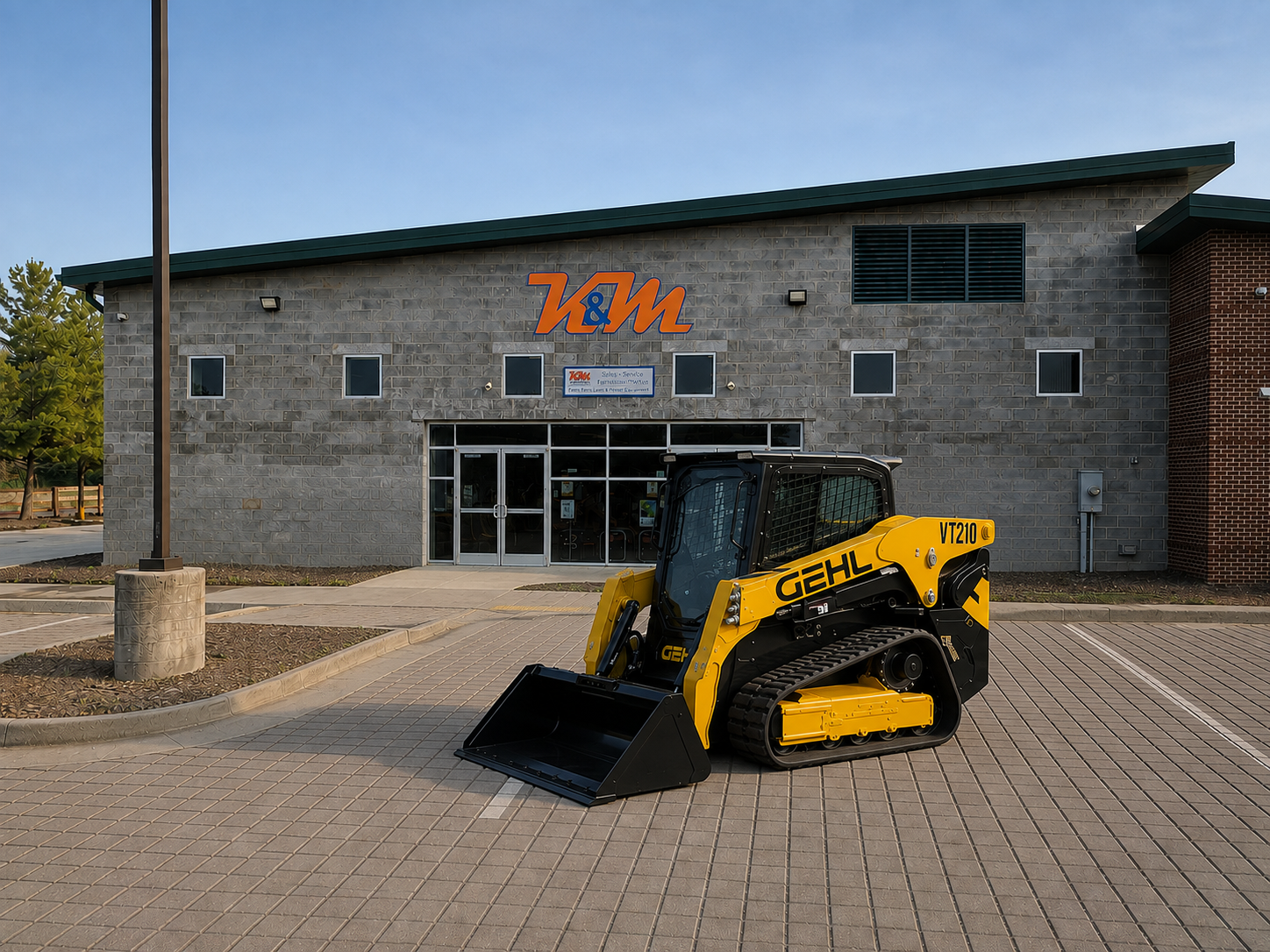
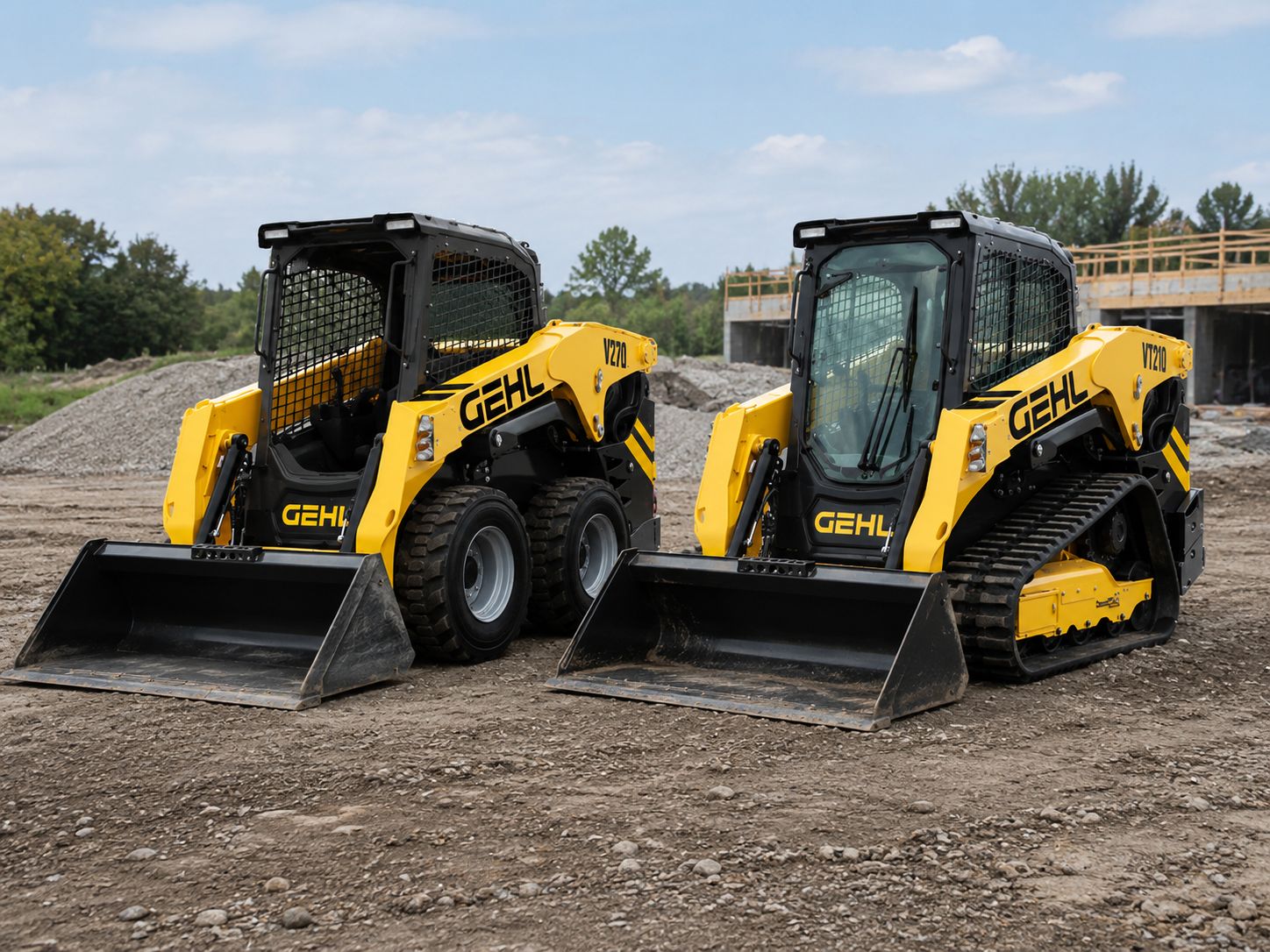
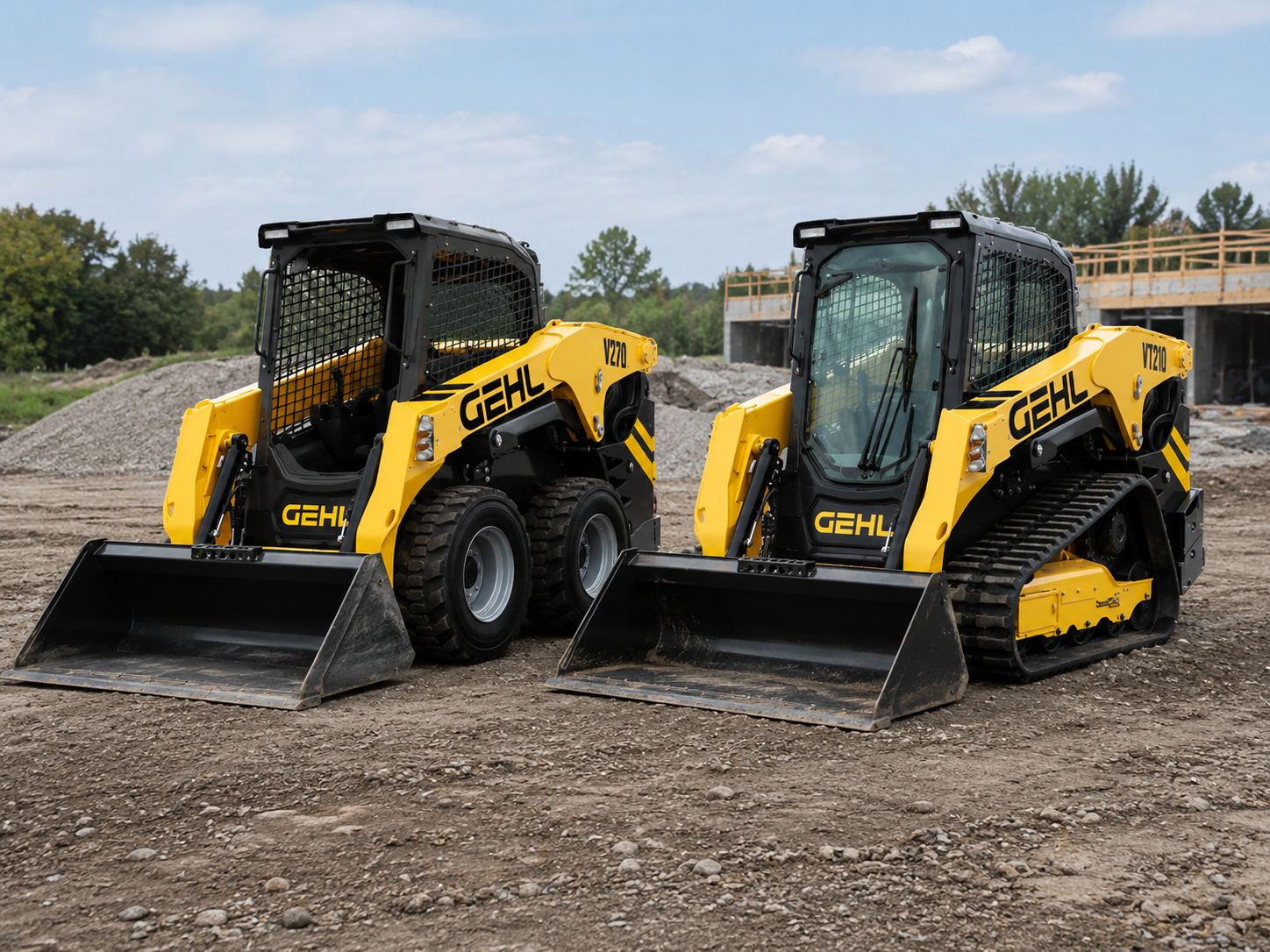
Ready to choose equipment with maintenance in mind? We proudly represent GEHL and can help you choose the best machine for your jobs.