
Yanmar vs. Kubota: Which Compact Tractor is Right for You?
Yanmar vs. Kubota: Which Compact Tractor Is Right for You?
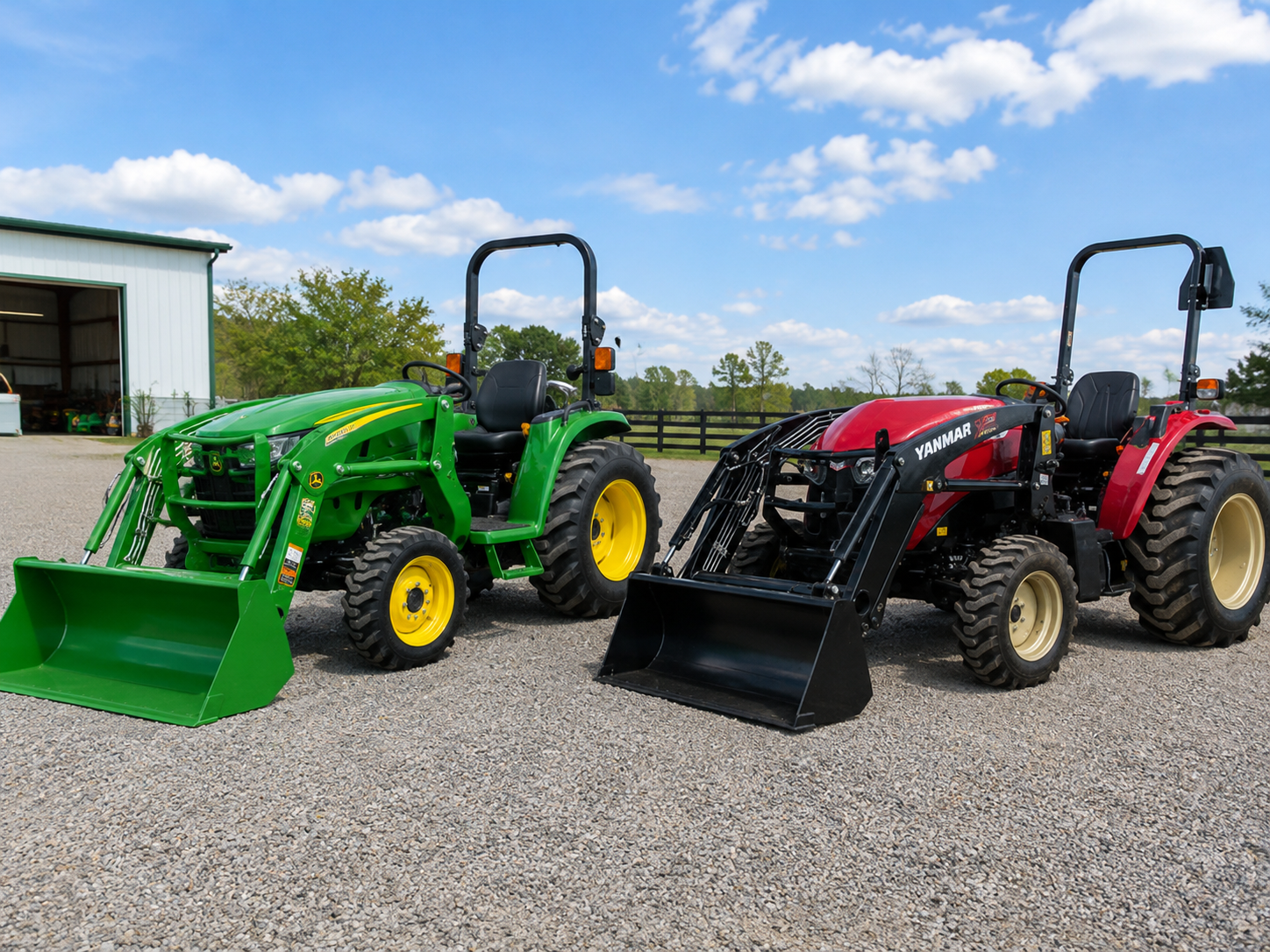
When shopping for a compact tractor, two names frequently come up: Yanmar and Kubota. Both are established Japanese manufacturers with long histories of producing diesel engines and agricultural equipment. Both offer dependable tractors capable of mowing, loader work, landscaping, property maintenance, snow removal, and small-farm chores.
The better choice is not simply the tractor with the most familiar name. It is the tractor that provides the right combination of capability, comfort, warranty protection, dealer support, and long-term value for your property.
Here is how Yanmar and Kubota compact tractors compare.
Yanmar and Kubota Both Have Strong Reputations
Kubota has built one of the most recognizable compact-tractor brands in the United States. Its current lineup includes subcompact and compact models across the BX, B, LX, and Standard L Series, giving buyers numerous horsepower, transmission, and configuration choices.
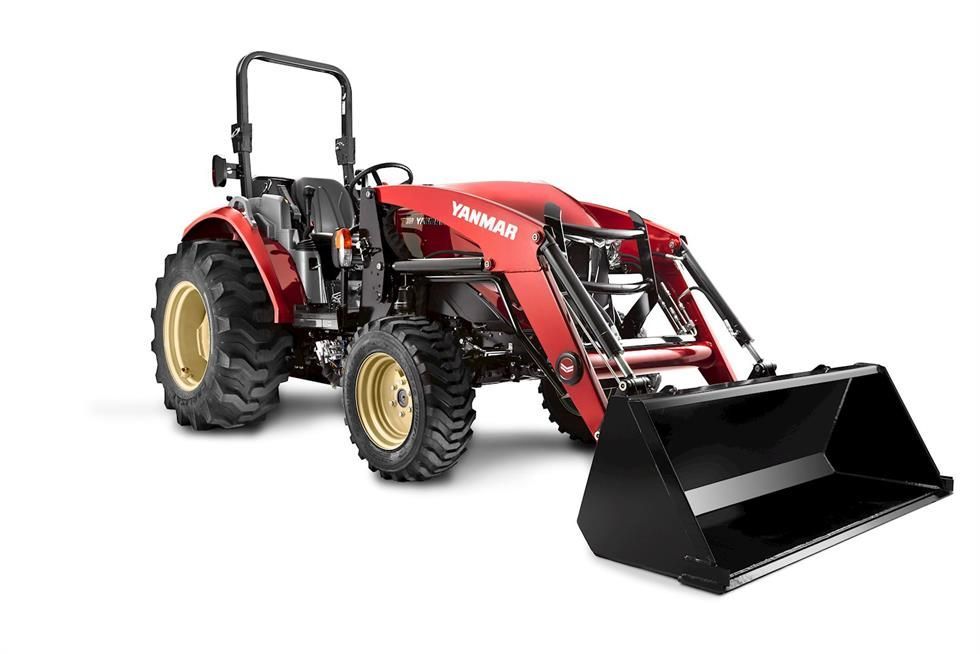
Yanmar may be less familiar to some American property owners, but the company has more than a century of diesel-engine and equipment experience. Yanmar also supplies diesel engines for a variety of agricultural, industrial, marine, and construction applications.
The important takeaway is that Yanmar is not a newcomer or simply a tractor brand using someone else’s diesel technology. Engineering diesel engines and powertrains is central to the company’s history.
Powertrain Design: A Major Yanmar Advantage
One of Yanmar’s biggest differentiators is how much of the tractor’s powertrain it designs and manufactures.
Yanmar states that it manufactures the major powertrain components in its tractors, including the:
- Diesel engine
- Transmission
- Front axle
- Final drive
These components are engineered to work together as a complete system rather than being assembled from unrelated suppliers.
For the owner, that integrated design can translate into smooth power delivery, dependable operation, efficient performance, and fewer questions about which company manufactured a critical component.
Kubota also manufactures its own engines and has a well-established reputation for integrated equipment design. Both brands have extensive diesel experience, but Yanmar places especially strong emphasis on its complete in-house powertrain engineering.
Warranty Comparison
Warranty coverage is one of the clearest differences between the two brands.
Every new Yanmar tractor currently includes a 10-year or 3,000-hour limited powertrain warranty, whichever comes first.
Kubota’s published limited-warranty terms for noncommercial residential use on BX, B, LX, and L tractors currently include limited powertrain coverage for 72 months or 2,000 hours, whichever comes first. Coverage varies by model, application, component, and type of use, so buyers should review the complete warranty documents before purchasing.
That means Yanmar provides four additional years and up to 1,000 additional hours of published limited powertrain coverage when comparing these particular residential tractor categories.
A warranty is not the only reason to purchase a tractor, but it does reflect the manufacturer’s willingness to stand behind its powertrain.
Tractor Selection and Horsepower
Kubota offers one of the broadest product selections in the compact-equipment industry. Its compact and subcompact tractor families cover machines for gardening, landscaping, property maintenance, hobby farming, livestock operations, snow removal, municipalities, and light material handling.
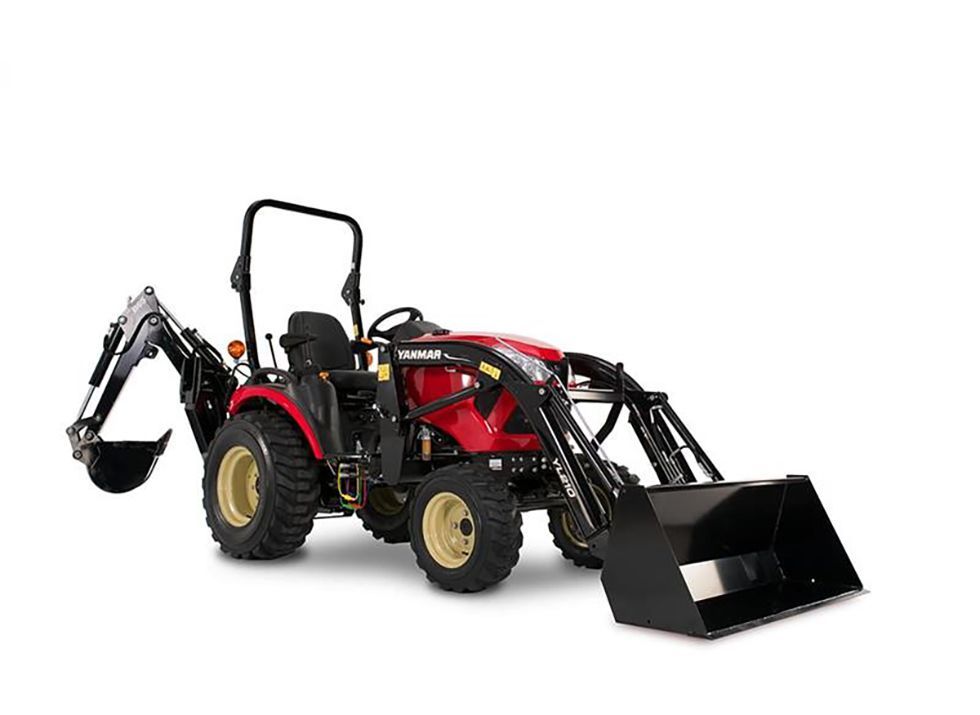
Yanmar’s lineup is more focused, but it covers the primary compact-tractor categories most landowners need. Depending on the model, Yanmar tractors can handle jobs such as:
- Moving mulch, gravel, soil, manure, and firewood
- Maintaining driveways
- Mowing fields and pastures
- Operating rotary cutters and finish mowers
- Clearing brush
- Digging post holes
- Handling pallets and logs
- Preparing gardens and food plots
- Removing snow
- Supporting equine and livestock properties
Yanmar’s lineup ranges from maneuverable SA Series subcompact tractors to larger compact models designed for heavier loader and three-point work.
The best comparison is therefore not simply “Yanmar versus Kubota.” Buyers should compare two similarly equipped tractors with comparable horsepower, weight, hydraulic capacity, loader performance, tire configuration, and transmission type.
Transmission Choices
Both brands offer hydrostatic transmissions on many compact models. Hydrostatic transmission, commonly called HST, is popular because it allows the operator to change speed and direction without manually shifting through conventional gears.
HST is particularly convenient for:
- Loader operation
- Mowing around obstacles
- Landscaping
- Repeated forward-and-reverse work
- New tractor operators
Yanmar also offers its advanced i-HMT transmission on select YT Series tractors.
Yanmar’s i-HMT system combines features associated with hydrostatic convenience and mechanical-transmission efficiency. Depending on the model, it can provide automotive-style operation, programmable engine-speed control, anti-stall assistance, and greater control during demanding loader or PTO work.
For buyers who want something more advanced than a conventional compact-tractor hydrostatic transmission, the Yanmar YT Series deserves a close look.
Operator Comfort and Ease of Use
Specifications matter, but a tractor must also feel right from the seat.
Before buying either brand, operate the tractor and evaluate:
- Step-in height
- Seat comfort
- Pedal placement
- Steering-wheel position
- Visibility over the hood
- Loader-control location
- Three-point controls
- PTO engagement
- Instrument-panel visibility
- Ease of getting on and off
- Noise and vibration
- Forward and reverse response
Two tractors with similar horsepower can feel completely different to the operator.
Yanmar designs its compact tractors around approachable controls, visibility, and all-day usability. Kubota also offers comfortable, proven operator platforms, particularly in its more deluxe models.
A hands-on demonstration is much more valuable than choosing from a brochure alone.
Loader Performance
Many compact-tractor owners use the front-end loader more than any other attachment. However, loader comparisons are often misleading.
Do not compare loader capacity without checking:
- Where the lift capacity is measured
- Maximum lift height
- Breakout force
- Tractor operating weight
- Hydraulic flow
- Bucket size
- Rear ballast requirements
- Quick-attach compatibility
One manufacturer may publish capacity at the pivot pin while another specification may be measured farther forward. Those numbers are not directly comparable.
The complete tractor-and-loader package matters more than one advertised figure. Proper ballast, suitable tires, correct hydraulic pressure, and safe operating technique also have a major effect on loader performance.
Attachments and Implements
Both Yanmar and Kubota tractors can operate a broad selection of implements, including:
- Rotary cutters
- Finish mowers
- Box blades
- Landscape rakes
- Grapples
- Pallet forks
- Tillers
- Post-hole diggers
- Snow equipment
- Backhoes
- Land planes
- Sprayers and spreaders
Many implements connect through standardized three-point hitches, PTO systems, or skid-steer-style loader quick-attach systems. Compatibility still depends on tractor size, hydraulic requirements, PTO horsepower, implement weight, and hitch category.
Before buying, create a list of the jobs you expect the tractor to perform. The dealer can then match the tractor, loader, tires, ballast, hydraulic options, and implements as one working system.
Dealer Support May Matter More Than Brand Recognition
A quality tractor still needs quality dealer support.
Consider whether the dealer can provide:
- Proper tractor setup
- Attachment installation
- Parts availability
- Routine maintenance
- Warranty assistance
- Pickup and delivery
- Operator instruction
- Hydraulic and electrical diagnosis
- Help selecting compatible implements
A slightly better specification on paper may not compensate for poor local support. The dealership that properly sizes, prepares, delivers, and services the tractor can have a greater effect on ownership satisfaction than the badge on the hood.
Resale Value and Long-Term Ownership
Kubota’s large installed base and broad brand recognition can contribute to strong resale demand.
Yanmar also benefits from its reputation for diesel engines, dependable powertrains, and long warranty coverage. As more buyers become familiar with Yanmar’s current tractor lineup, the brand continues to earn consideration among homeowners, landscapers, farmers, and rural-property owners.
Resale value is influenced by more than the manufacturer. Maintenance records, hours, storage, tire condition, loader condition, attachments, appearance, and local dealer support all affect what a used tractor is worth.
Which Tractor Should You Buy?
A Kubota may be a good choice for someone who prioritizes a very broad model lineup, widespread brand recognition, and a large dealer network.
A Yanmar may be the stronger choice for someone who values:
- A Yanmar-built engine and major powertrain components
- A 10-year or 3,000-hour limited powertrain warranty
- Straightforward, operator-friendly design
- Strong diesel-engine heritage
- Competitive capability and value
- Advanced i-HMT transmission technology on select models
- Personalized support from a knowledgeable local dealer
The right answer ultimately depends on the work you need to accomplish.
Compare Yanmar Tractors at K&M in Culpeper
The best way to choose a compact tractor is to compare real machines, sit in the operator’s seat, inspect the controls, and discuss your property and attachments with someone who understands the equipment.
K&M Lawn, Garden and Arborist Supplies in Culpeper, Virginia, carries Yanmar tractors for homeowners, farms, equine properties, landscapers, contractors, and commercial operations.
Our team can help you evaluate:
- Property size and terrain
- Required horsepower
- Loader and lift requirements
- Mowing and PTO needs
- Transmission choices
- Tire options
- Rear ballast
- Grapples and third-function hydraulics
- Financing options
- Compatible attachments
Visit K&M in Culpeper to see whether a Yanmar is the right tractor for your land and the work ahead.
Yanmar versus Kubota is not just a comparison of two different colored tractors. It is a comparison of engineering, warranty coverage, operating experience, dealer support, and total value.